



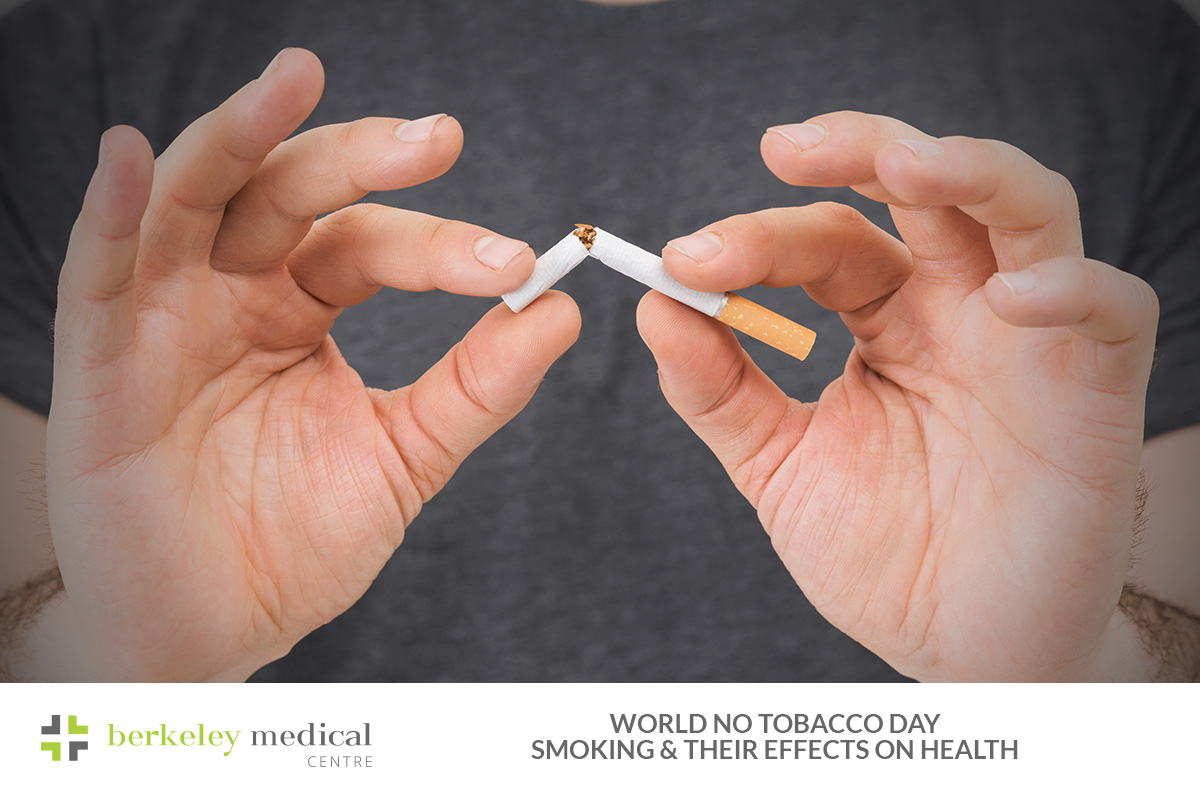
World No Tobacco Day is observed every year on 31 May to raise awareness about the health risks of tobacco use and the importance of reducing tobacco-related harm. It is a reminder that smoking affects almost every part of the body and can have serious consequences for individuals, families and communities.
The World Health Organization’s 2026 World No Tobacco Day theme is “Unmask the appeal – countering tobacco and nicotine addiction”. This theme highlights how tobacco and nicotine products are often designed and marketed in ways that make them appear attractive, especially to younger people. The campaign also reinforces that nicotine addiction can be prevented, treated and broken with the right support.
For people who smoke, World No Tobacco Day can be a helpful opportunity to think about quitting, reducing harm and speaking with a GP about practical support options.
The day is important because tobacco use remains one of the biggest preventable causes of illness and death worldwide. WHO describes tobacco as a major public health threat, responsible for more than 7 million deaths each year globally.
Why Smoking Is Harmful
Smoking harms the body from the first puff. The Australian Department of Health states that toxic chemicals in tobacco smoke reach the brain, heart and other organs within 10 seconds of inhalation. Smoking can harm almost every part of the body and increases the risk of many diseases.
Tobacco smoke contains thousands of chemicals. The Australian Government notes that tobacco smoke contains more than 7,000 chemicals, with over 100 known to be harmful and at least 69 known to cause cancer.
Smoking is linked with:
- Lung cancer and other cancers
- Heart disease
- Stroke
- Chronic obstructive pulmonary disease
- Reduced lung function
- Poor circulation
- Diabetes complications
- Fertility concerns
- Pregnancy risks
- Slower wound healing
- Dental and gum disease
- Premature skin ageing
Even light smoking can still cause harm. There is no completely safe level of smoking.
How Smoking Affects the Lungs
The lungs are one of the most affected parts of the body. Smoking damages airways and lung tissue, making it harder to breathe over time.
Smoking can contribute to:
- Chronic cough
- Wheezing
- Shortness of breath
- Increased mucus
- Frequent chest infections
- Asthma flare-ups
- Chronic bronchitis
- Emphysema
- Lung cancer
People who smoke may find that exercise becomes harder, recovery from respiratory infections takes longer and everyday activities such as climbing stairs may become more difficult.
How Smoking Affects the Heart and Blood Vessels
Smoking places extra strain on the heart and blood vessels. It can damage blood vessel walls, reduce oxygen in the blood and increase the risk of blood clots.
Smoking may increase the risk of:
- High blood pressure
- Heart attack
- Stroke
- Peripheral artery disease
- Poor circulation in the legs and feet
- Reduced exercise tolerance
For people already living with high blood pressure, diabetes, high cholesterol or heart disease, smoking can significantly increase health risks.
Smoking and Cancer Risk
Cancer is one of the most serious health risks associated with smoking. Tobacco smoke contains many cancer-causing chemicals, and these chemicals can damage cells throughout the body.
Smoking is strongly linked with lung cancer, but it can also increase the risk of cancers affecting the:
- Mouth
- Throat
- Voice box
- Oesophagus
- Stomach
- Pancreas
- Kidney
- Bladder
- Cervix
- Bowel
Quitting smoking can reduce cancer risk over time, although the benefits are greatest when people quit as early as possible.
Second-Hand Smoke and Family Health
Smoking does not only affect the person who smokes. Second-hand smoke can also harm family members, children, pregnant people, older adults and people with asthma or chronic conditions.
Second-hand smoke may increase the risk of:
- Asthma symptoms
- Chest infections
- Ear infections in children
- Breathing problems
- Heart disease
- Lung cancer
- Sudden unexpected death in infancy
Creating smoke-free homes, cars and outdoor family spaces can help protect others from tobacco-related harm.
Smoking, Nicotine Addiction and Mental Health
Nicotine is highly addictive. Many people smoke not because they want to, but because nicotine dependence makes quitting difficult.
People may smoke in response to:
- Stress
- Anxiety
- Low mood
- Social pressure
- Habit
- Withdrawal symptoms
- Work or family pressure
While smoking may feel calming in the short term, nicotine withdrawal can increase irritability, restlessness and cravings. This can create a cycle where a person smokes to relieve symptoms caused by nicotine dependence.
Support from a GP, counsellor or smoking cessation service can help people understand triggers and develop a realistic plan to quit.
What About Vaping?
Many people view vaping as less harmful than smoking, but vaping is not risk-free. Nicotine vaping can still lead to dependence, and young people may be particularly vulnerable to nicotine addiction.
World No Tobacco Day 2026 focuses on countering the appeal of tobacco and nicotine products, including newer products that may be promoted in ways that attract young people.
People who are using vaping to quit smoking should speak with a GP or pharmacist about safe, evidence-based options and current Australian regulations.
Benefits of Quitting Smoking
Quitting smoking is one of the best steps a person can take for their health. Benefits can begin soon after stopping and continue to build over time.
Benefits of quitting may include:
- Better breathing
- Improved circulation
- Reduced heart disease risk
- Lower cancer risk over time
- Improved sense of taste and smell
- Better fitness and stamina
- Healthier skin
- Improved dental health
- Reduced risk to family from second-hand smoke
- Saving money
- Greater control over nicotine dependence
Even people who have smoked for many years can benefit from quitting.
Common Barriers to Quitting
Quitting smoking can be challenging, and many people need more than one attempt. This does not mean failure. Each quit attempt can help a person learn more about their triggers and what support works best.
Common challenges include:
- Cravings
- Stress
- Habit and routine
- Social situations
- Alcohol use
- Fear of weight gain
- Withdrawal symptoms
- Living with other smokers
- Previous unsuccessful quit attempts
Support can make quitting more achievable. A personalised plan is often more effective than trying to quit without guidance.
Practical Tips to Help Quit Smoking
Some helpful strategies include:
- Set a quit date
- Identify smoking triggers
- Remove cigarettes, lighters and ashtrays
- Avoid smoking areas where possible
- Keep hands busy
- Drink water when cravings occur
- Practise slow breathing
- Use exercise to manage stress
- Tell supportive family or friends
- Consider nicotine replacement therapy if suitable
- Speak with a GP about medication options
- Contact Quitline or a smoking cessation support service
Cravings often pass within a few minutes. Having a plan ready can make these moments easier to manage.
When to Speak With a GP
A GP can provide support if you smoke, vape or use nicotine products and want to reduce or quit.
A GP may help with:
- Assessing smoking-related health risks
- Checking blood pressure and heart health
- Discussing lung symptoms
- Reviewing medications and health history
- Creating a quit plan
- Discussing nicotine replacement therapy
- Considering prescription quit-smoking medicines where appropriate
- Supporting mental health concerns linked with smoking
- Referring to additional services if needed
It is especially important to speak with a GP if you have:
- Chest pain
- Shortness of breath
- A persistent cough
- Coughing up blood
- Wheezing
- Recurrent chest infections
- Unexplained weight loss
- Heart disease risk factors
- Diabetes
- Pregnancy or plans to become pregnant
Conclusion
World No Tobacco Day is a powerful reminder that smoking and nicotine addiction continue to affect health worldwide. Smoking harms almost every part of the body and increases the risk of cancer, heart disease, stroke, lung disease and many other serious conditions.
Quitting can be difficult, but support is available. With the right plan, medical guidance and practical strategies, people can reduce their dependence on tobacco and improve their long-term health.
How We Can Help
A GP can support patients who want to quit smoking or reduce nicotine use through health checks, smoking cessation advice, personalised quit plans, medication discussions and referrals where appropriate. Early conversations can help reduce health risks and support a healthier future
*This information is for general education only and does not replace professional medical advice. Seek advice from qualified health professionals.
Also Read: