




Blocked ears can make conversations, work and everyday activities frustrating. Earwax is normal and protective, but it can sometimes build up or become impacted. Professional ear microsuction in Brisbane can remove wax, debris, dead skin or discharge when clinically suitable.
At Berkeley Medical Centre in Kenmore, our ear microsuction service offers a dry, targeted approach to ear toileting. The clinician works under direct visual guidance with specialised equipment. Here is what to expect before, during and after an appointment.
What is ear microsuction and ear toileting?
Ear microsuction removes material from the ear canal with controlled suction. The clinician may also use fine micro-instruments when needed. Magnification and lighting help the clinician see the canal throughout the procedure.
Unlike ear irrigation, microsuction does not flush the ear canal with water. RACGP guidance notes that microsuction is generally well tolerated and avoids moisture exposure. Noise discomfort can occur because the device works close to the ear.
Healthy earwax protects and lubricates the canal. Treatment becomes relevant when wax or debris causes symptoms or blocks examination.
Why might someone need ear microsuction?
Many people seek assessment because an ear feels blocked or hearing seems muffled. Impacted wax may cause fullness, discomfort, itching, tinnitus and reduced hearing. Some people also experience dizziness or a cough reflex.
Earwax is not the only possible cause. Other ear conditions can cause similar symptoms, so assessment matters before removal.
Berkeley Medical Centre’s ear toileting service may help with hard impacted wax, dead skin build-up and wax pushed deeper by cotton buds. The service also covers narrow or curved canals, hearing aid-related blockage and selected foreign bodies.
Signs an ear check may be worthwhile
Earwax often leaves the ear naturally, so routine internal cleaning is usually unnecessary. Consider an assessment when symptoms persist or interfere with daily life.
👂 One or both ears feel blocked or unusually full.
👂 Hearing seems reduced, dull or uneven.
👂 Ringing or buzzing has become more noticeable.
👂 Ear discomfort, itching or recurring debris causes concern.
👂 A hearing aid seems affected by wax build-up.
Do not assume wax explains sudden hearing loss, severe pain or major dizziness. These symptoms need timely medical assessment. Seek urgent care for severe or rapidly changing symptoms.
What to expect before your appointment
Before ear microsuction, the clinician needs to understand your symptoms and ear history. Mention previous ear surgery, eardrum perforation, recurrent infections, hearing aids and past problems with ear cleaning.
Also report pain, bleeding, discharge, dizziness or sudden hearing changes. These details help the clinician decide whether microsuction is appropriate.
Do not insert cotton buds, hairpins, ear candles or other objects into the canal. Objects can push wax deeper and damage delicate skin. Better Health Channel advises cleaning only the outer ear and avoiding cotton buds inside the canal.
Preparation differs between patients. Some may need wax-softening treatment first. Follow individual advice, especially with a known or suspected eardrum perforation.
What happens during ear microsuction?
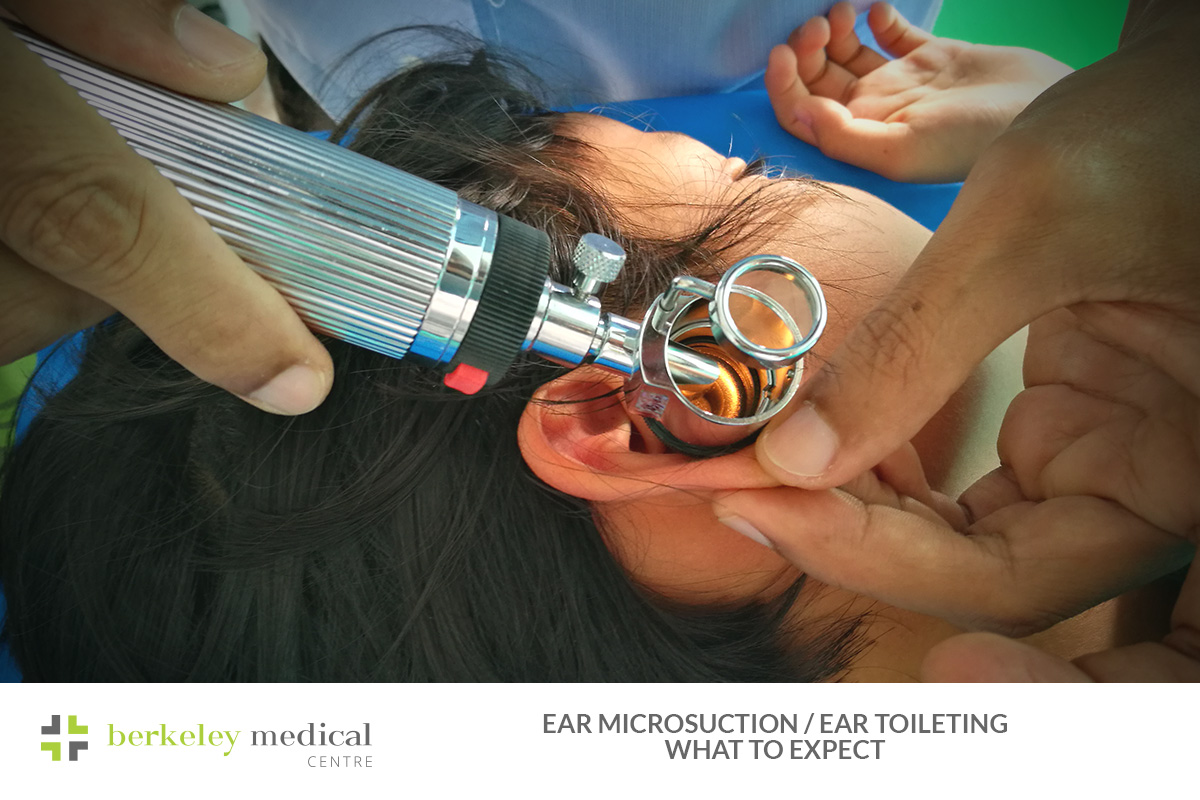
First, the clinician examines the ear canal using specialised magnification and lighting. This gives a clear view of wax, debris, skin or discharge.
Next, the clinician positions a fine suction tip near the material requiring removal. Low-pressure suction removes the material in a controlled way. Fine instruments may also help with hard or adherent material.
Keep your head still during the procedure. The equipment can sound loud because it works close to the eardrum. Tell the clinician about pain, dizziness or the need to cough. They can pause and reassess.
Experiences vary. Hard wax or inflamed skin can feel more sensitive, and the clinician may stop if continuing is not appropriate.
After removal, the clinician can recheck the canal and eardrum where visible. They may discuss findings, aftercare or follow-up.
Is ear microsuction painful, and how long does it take?
Microsuction is usually well tolerated, but experiences differ. You may notice suction noise, movement sensations or mild temporary discomfort.
Some people may briefly feel dizzy or experience a cough reflex. Speak up if anything feels uncomfortable.
Appointment length depends on what the clinician finds. A small blockage may take less time than hard wax or adherent skin. Some cases need suction and fine instruments. Occasionally, removal may not finish in one sitting.
What happens after ear toileting?
Some patients notice a change in blocked sensation after obstructing material is removed. However, improvement depends on the actual cause. Persistent hearing loss, tinnitus, pain or discharge may need further assessment.
Follow your clinician’s aftercare advice. Avoid putting objects into the canal, even when the ear feels itchy. Keep recommended follow-up, especially for recurring blockage or ongoing discharge.
If symptoms remain, the next step may include GP review, hearing assessment or referral. Berkeley Medical Centre also lists an audiologist partner within its special services network.
Ear microsuction versus ear syringing
Both methods can manage earwax, but they work differently. Irrigation uses water to flush wax from the canal. Microsuction uses suction while the clinician views the canal directly.
RACGP guidance notes that microsuction avoids moisture exposure and may suit situations where syringing is less appropriate. The best approach depends on the patient, ear history and examination findings.
Previous perforation, ear surgery or recurring infection can influence the choice of method. Individual assessment matters more than choosing a technique from online advice alone.
How Berkeley Medical Centre can help
Berkeley Medical Centre provides ear microsuction and ear toileting at its Kenmore practice in Brisbane’s western suburbs. The service sits alongside general medicine, children’s health, chronic disease management, mental health care and other medical services.
Our practice team includes associated GPs and nursing support. Berkeley Medical Centre also hosts visiting specialist services and lists an audiologist partner within its special services network.
For ear microsuction, the clinician uses specialised magnification, lighting, low-pressure suction and fine instruments when required. This supports direct visual assessment during the procedure.
Fees depend on Medicare eligibility and rebate criteria. Review the current service page or ask reception about current fees before attending.
Clearer information starts with a proper ear assessment
A blocked ear can seem simple, yet the cause is not always obvious. Wax, dead skin, discharge and other conditions can create similar symptoms. A proper examination helps guide the next step.
Berkeley Medical Centre provides ear microsuction and ear toileting in Kenmore for Brisbane patients who need assessment and suitable ear canal cleaning. Patients can review service information, explore the medical team and services, or check available GP appointments through HotDoc.
*This information is for general education only and does not replace professional medical advice. Seek advice from qualified health professionals.
Also Read: