



Migraine can interrupt daily life without warning. One attack may affect work, parenting, school, driving, sleep and social plans. Some people lose hours. Others lose days.
Migraine is a common condition that affects the brain. Symptoms may include severe headache, nausea, vomiting, and sensitivity to light or sound. Some people also experience aura before or during an attack. Aura can affect vision, speech or sensation.
For people in Brisbane, a GP can help identify migraine patterns. They can also check for other causes of headache. Berkeley Medical Centre in Kenmore provides general medicine, preventative health, chronic disease management, mental health care and allied health services.
What does migraine feel like?
Migraine symptoms vary between people. Some people feel warning signs before pain starts. Others wake with a severe headache already underway.
A migraine headache often feels throbbing. It may sit on one side of the head. It can worsen with movement. Bright lights, loud sounds and strong smells may feel unbearable. Nausea and vomiting can also occur. An untreated migraine attack can last between 4 hours and 3 days.
Some people get aura. This may include flashing lights, blind spots, zigzag lines, dizziness, numbness or difficulty speaking. About 1 in 3 people with migraine may experience aura symptoms.
Migraine can also cause “brain fog” after the pain settles. You may feel drained, moody or slow for the rest of the day.
Common migraine triggers
Migraine triggers differ from person to person. A trigger for one patient may not affect another. This is why a migraine diary can help.
Several common triggers, including missed meals, certain foods, sleep changes, weather changes, hormonal changes, screens, bright lights, loud noises, strong smells, stress and strong emotions.
Common triggers may include:
• Skipping breakfast or long gaps between meals
• Too much or too little sleep
• Dehydration during hot Brisbane weather
• Alcohol, caffeine changes or certain foods
• Stress from work, study or caregiving
• Hormonal changes around periods or menopause
• Screen glare, bright light or loud environments
• Strong perfumes, smoke or chemical smells
Try not to blame yourself for triggers. Migraine is a complex condition. Your goal is to spot patterns and reduce avoidable risks.
Keep a migraine diary
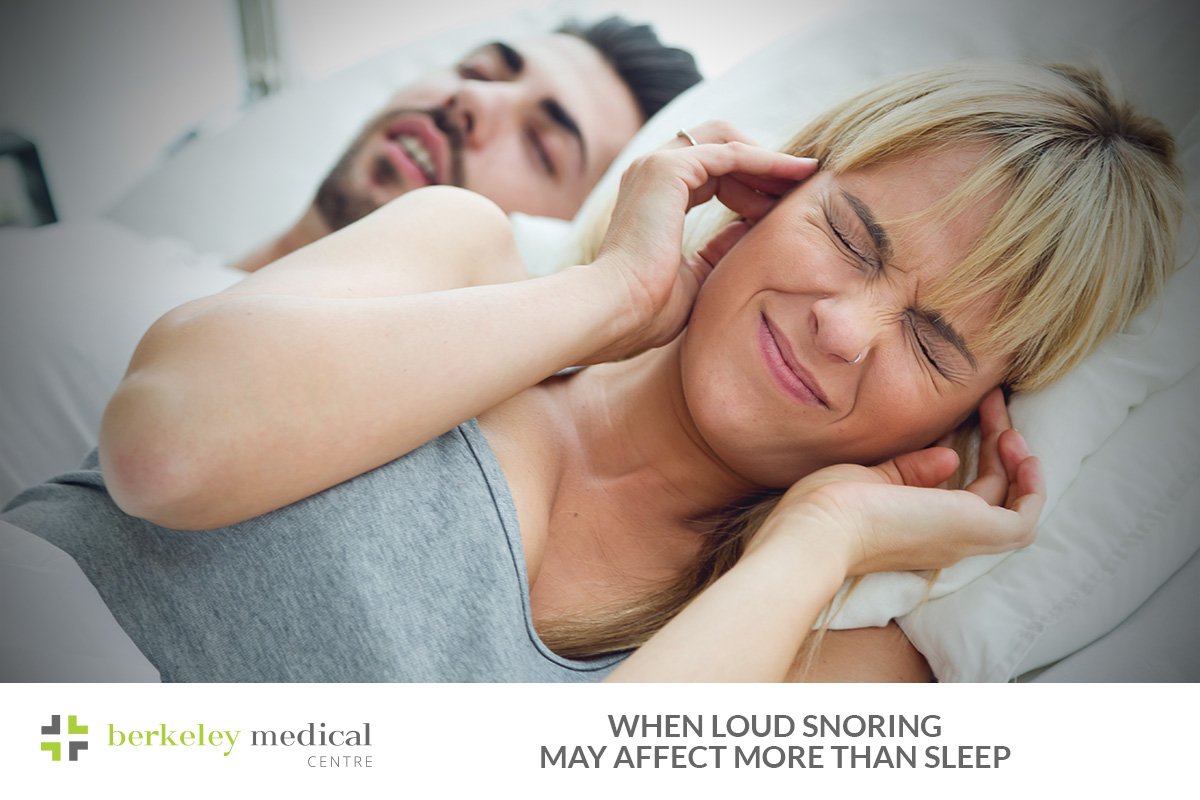
Loud snoring can sound harmless at first. Many people joke about it. Others blame it on a long day, a blocked nose or sleeping on their back. Yet frequent loud snoring can affect more than the person making the noise.
It can disturb a partner’s sleep. It can leave a household tired and frustrated. It may also signal a sleep breathing problem, such as obstructive sleep apnoea. Obstructive sleep apnoea happens when breathing pauses occur during sleep. People may snore, wake gasping and feel tired during the day.
For Brisbane patients, a GP can help check whether snoring needs simple lifestyle support, allergy care or further investigation. Berkeley Medical Centre in Kenmore provides general medicine, chronic disease management, mental health care and allied health services for individuals and families.
What causes snoring?
Snoring happens when air moves through a narrowed throat during sleep. The relaxed tissues vibrate and create sound. The pharynx can become narrower during sleep. A narrower airway can vibrate more easily and cause louder snoring.
Many things can make snoring worse. These include nasal congestion, allergies, alcohol, smoking, weight, sleep position and tiredness. Some people snore more during cold and flu season. Others notice snoring after evening drinks or late meals.
Snoring can also become more common with age. Throat muscles may relax more during sleep. Hormonal changes may also play a role for some women after menopause.
When snoring may suggest sleep apnoea
Not every person who snores has sleep apnoea. However, loud snoring with breathing pauses deserves medical attention.
Obstructive sleep apnoea, often called OSA, occurs when the airway partly or completely blocks during sleep. Breathing can stop briefly many times overnight. The person may not remember waking. However, their sleep can still become broken and unrefreshing.
Common warning signs include:
- Loud snoring most nights
- Pauses in breathing noticed by someone else
- Waking up gasping or choking
- Dry mouth or morning headaches
- Restless sleep or tossing and turning
- Daytime sleepiness
- Irritability or low mood
- Poor concentration or memory
Loud snoring, breathing pauses, gasping, daytime sleepiness, dry mouth, morning headaches, irritability and attention problems among possible OSA symptoms.
Why loud snoring can affect daytime health
Poor sleep can change how you feel during the day. It can affect mood, patience, reaction time and concentration. It may make work, driving, parenting and exercise harder.
Sleep disorders can prevent restful sleep. They can also affect daily function and increase the risk of chronic conditions. Signs may include irregular breathing during sleep and daytime sleepiness.
Untreated OSA can also place strain on long-term health. Untreated OSA can increase the risk of high blood pressure, heart rhythm problems, coronary heart disease, heart failure, stroke and diabetes. It may also affect memory, concentration, mood and sexual health.
This does not mean every snorer will develop these problems. It does mean loud, regular snoring should not be ignored.
When should you see a GP about snoring?
You should see a GP if snoring bothers you, affects your household or comes with gasping at night. Medical advice is necessary if snoring disturbs you or others, or if you wake choking or gasping for air.
Book a GP review if you notice:
- Snoring most nights
- Breathing pauses during sleep
- Waking unrefreshed
- Morning headaches
- Daytime tiredness
- Falling asleep during quiet activities
- Poor focus at work or study
- High blood pressure
- Snoring with weight gain
- Mood changes or irritability
If you share a room, your partner’s observations can help. Bringing your partner to the appointment. They can explain what happens while you sleep.
What might happen at a GP appointment?
A GP may ask about your sleep, snoring pattern, daytime tiredness, medical history and medicines. They may also check your nose, throat, blood pressure and general health. A doctor may examine the nose and throat and check blood pressure and overall health when assessing possible OSA.
Your GP may discuss lifestyle factors. These can include alcohol, smoking, weight, allergies, nasal congestion and sleep routine. They may also check related concerns, such as reflux, fatigue, mood or blood pressure.
If OSA seems possible, your GP may refer you for further assessment. A doctor may refer patients to a sleep specialist or sleep clinic. Some patients may need an overnight sleep study, either at home or in a sleep laboratory.
The Sleep Health Foundation also says an overnight sleep study gives the clearest diagnosis. It measures sleep, breathing and oxygen levels, and your GP can refer you for one.
Lifestyle steps that may reduce snoring
Some snoring improves with simple changes. Avoiding alcohol before sleep, quitting smoking, avoiding allergy triggers and sleeping on your side.
Helpful steps may include:
- Sleep on your side
- Reduce alcohol close to bedtime
- Treat blocked nose or allergies
- Avoid smoking
- Keep a regular sleep routine
- Discuss healthy weight support with your GP
- Review sedating medicines with your doctor
- Seek advice before using snoring devices
Do not rely on online gadgets without advice. Mouthguards, sprays and nasal strips may not suit everyone. They may also miss sleep apnoea if symptoms need proper assessment.
Take loud snoring seriously
Snoring can be more than a noisy habit. It can affect sleep quality, relationships, energy and long-term health. It may also point to obstructive sleep apnoea, especially when paired with gasping, choking, breathing pauses or daytime sleepiness.
A GP can help you understand what is happening. They can assess symptoms, check related health risks and discuss whether further testing may help.
GP support for snoring in Kenmore, Brisbane
Snoring may connect with several areas of general health. These include weight, blood pressure, fatigue, mood, reflux, allergies and chronic disease risk. Berkeley Medical Centre provides services with general medicine, men’s health, women’s health, children’s health, chronic disease management, mental health and allied health services among its services. Berkeley Medical Centre also offers mental health support and referral pathways when sleep disruption affects mood, stress or wellbeing.
If loud snoring is affecting your sleep, household or daytime energy, Berkeley Medical Centre can support you with GP-led assessment and practical next steps. The clinic provides general medicine, preventative health, chronic disease management, mental health care and referral pathways for Brisbane patients.
*This information is for general education only and does not replace professional medical advice. Seek advice from qualified health professionals.
Also Read: