


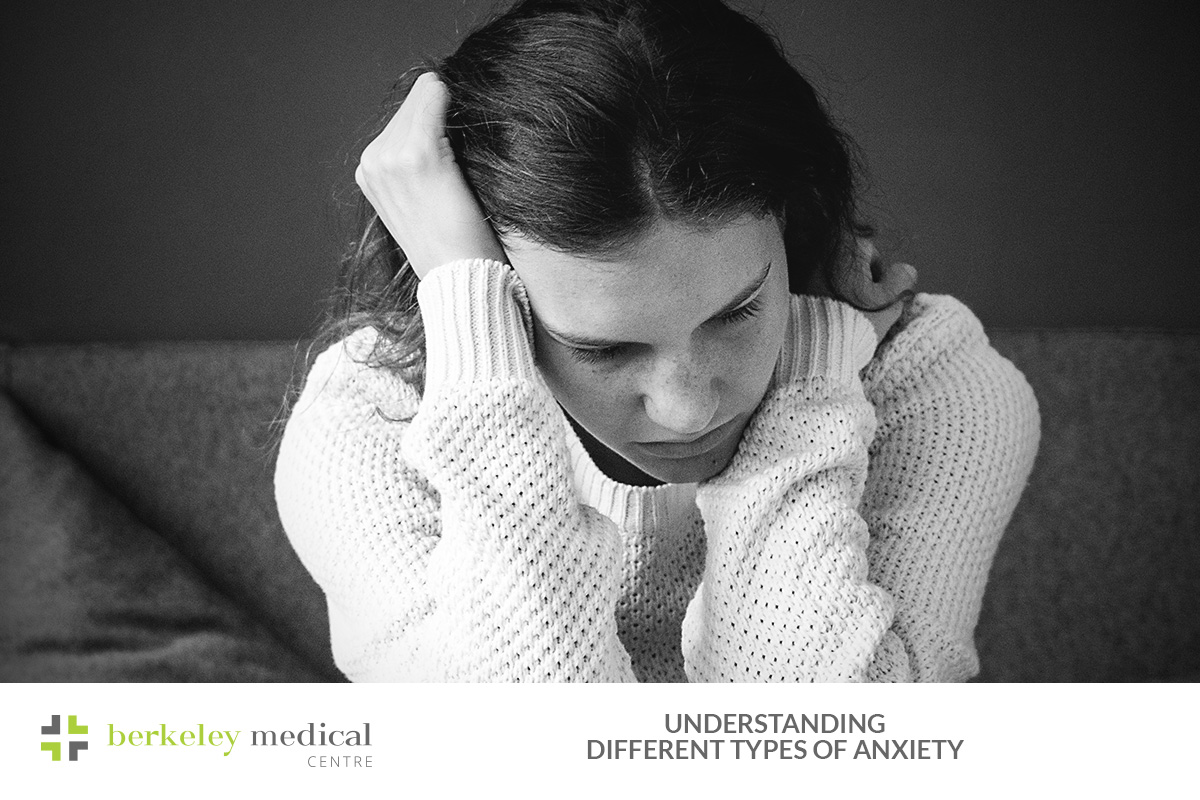
Feeling anxious before an exam, an important meeting or a difficult conversation is a normal human response. However, anxiety can become harder to manage when worry feels constant, intense or out of proportion. It may also affect sleep, concentration, relationships, work and everyday activities. Anxiety disorders affect one in four Australians at some stage of life, find the pattern behind anxiety can make the next step feel clearer.
Different types of anxiety can affect thoughts, behaviour and the body in different ways. Treatment also varies between individuals. At Berkeley Medical Centre in Kenmore, our GPs can help patients discuss mental health concerns and explore appropriate support options. Our services also include mental health care and access to specialist services. is the difference between stress and an anxiety disorder?
Everyone experiences anxiety sometimes. It forms part of the body’s response to a real or possible threat. In small amounts, anxiety can help us prepare, focus or respond to challenges.
An anxiety disorder involves more than occasional nervousness. The fear or worry may continue, feel difficult to control or cause significant distress. It may also stop someone from doing important or enjoyable activities. Anxiety symptoms can include:
• Persistent worry or a sense that something bad may happen
• Racing thoughts or difficulty concentrating
• Sleep problems and fatigue
• A racing or pounding heartbeat
• Sweating, trembling or dizziness
• Shortness of breath
• Stomach discomfort or nausea
• Avoiding places, people or situations
Symptoms can overlap with other physical and mental health conditions. A GP can assess the broader picture and consider whether further investigation may help. are the main types of anxiety?
Anxiety does not look the same for everyone. Recognising common patterns can help people explain their symptoms more clearly.
Generalised anxiety disorder
Generalised anxiety disorder, or GAD, involves persistent worry across several areas of life. A person may worry about health, finances, family, work or everyday responsibilities.
The worry can feel difficult to switch off. Some people also experience poor sleep, muscle tension, irritability, restlessness or difficulty concentrating. GAD can affect every day functioning when worry continues across many situations. c disorder
A panic attack causes a sudden surge of intense fear and physical symptoms. These symptoms can include a racing heart, sweating, trembling, breathlessness and dizziness.
Having one panic attack does not automatically mean someone has panic disorder. Panic disorder involves repeated attacks and continuing fear about another attack. Some people start avoiding places or activities because they worry that panic may return. t pain or symptoms that feel like a medical emergency need urgent assessment. Call Triple Zero on 000 for an emergency. al anxiety disorder
Social Anxiety
Social anxiety involves intense fear around social interactions or situations where others may observe or judge you.
Someone may avoid speaking in groups, meeting new people, eating in public or attending social events. They may also replay conversations repeatedly afterwards.
Social anxiety can affect relationships, education and work. Psychological therapies, including cognitive behavioural therapy, can form part of treatment.
A specific phobia involves intense fear related to a particular object or situation. Common examples include heights, enclosed spaces, animals, insects or medical procedures.
Avoidance can provide temporary relief. However, repeated avoidance may strengthen the fear over time. A mental health professional may use structured psychological strategies to help a person approach feared situations safely and gradually.
Agoraphobia involves anxiety about situations where leaving may feel difficult or help may seem unavailable.
Examples can include crowded places, public transport or being far from home. Agoraphobia can occur alongside panic disorder, although each person’s experience differs. th anxiety and performance anxiety
Some anxiety patterns centre on particular concerns. Health anxiety can involve ongoing fear about serious illness, despite reassurance or a low medical risk. Performance anxiety can arise before public speaking, examinations, sport, creative performances or other high-pressure tasks. rms do not always describe a formal diagnosis on their own. However, persistent anxiety deserves attention when it causes distress or disrupts everyday life.
How can you manage anxiety in everyday life?
There is no single strategy that suits everyone. The most helpful approach depends on symptoms, severity, personal circumstances and the type of anxiety involved. Lifestyle measures, psychological therapy and medicines among recognised treatment approaches are also important. Practical steps may support day-to-day management.
Notice your anxiety patterns
Start by identifying what happens before, during and after anxious periods. Note the situation, physical symptoms, thoughts and actions.
A brief symptom diary can help reveal patterns. It can also make a GP or mental health consultation more focused.
Try asking:
• What situations trigger my anxiety?
• What happens in my body?
• What thoughts appear repeatedly?
• What do I avoid because of anxiety?
• What helps me feel more settled?
Writing symptoms down before an appointment can make them easier to explain. breathing and grounding techniques
For some anxiety disorders, therapies can involve gradual exposure to feared situations within a structured approach. This process should suit the person, condition and level of distress. should you talk to a GP about anxiety?
Consider speaking with a GP when anxiety affects sleep, work, study, relationships or daily responsibilities. You should also seek help when worry feels difficult to control or avoidance starts limiting everyday life. discuss symptoms, physical health, medicines, sleep, lifestyle factors and other possible contributors. They may also consider whether tests or further assessment are appropriate.
Treatment may include psychological therapy, lifestyle strategies or medicines. The right approach depends on the type and severity of anxiety and personal preferences. Australians may also access Medicare benefits for selected mental health treatment services under the Better Access initiative. Eligibility and referral requirements apply. Berkeley Medical Centre can help with anxiety support in Brisbane
Berkeley Medical Centre provides GP and mental health services from its Kenmore location in Brisbane’s western suburbs. Our GPs can provide a starting point for discussing anxiety, stress and related mental health concerns.
Take the first step towards understanding your anxiety
Anxiety can appear as constant worry, panic attacks, social fear, phobias or other persistent concerns. Different patterns may need different strategies.
Practical coping skills can help, but persistent symptoms deserve a proper assessment. Berkeley Medical Centre supports patients seeking anxiety support in Brisbane through GP care, mental health services and access to specialist pathways where appropriate. Anxiety affects daily life, an honest conversation with a healthcare professional can be a useful first step towards understanding symptoms and considering suitable support.
For immediate crisis support in Australia, Lifeline is available 24 hours a day on 13 11 14. Call Triple Zero on 000 when life is in danger.
Anxiety Support Brisbane, Types of Anxiety, Anxiety Treatment, Mental Health Brisbane, Kenmore GP, Panic Attacks, Social Anxiety, Generalised Anxiety Disorder, Mental Health Support, Brisbane Medical Centre
*This information is for general education only and does not replace professional medical advice. Seek advice from qualified health professionals.
Also Read: