




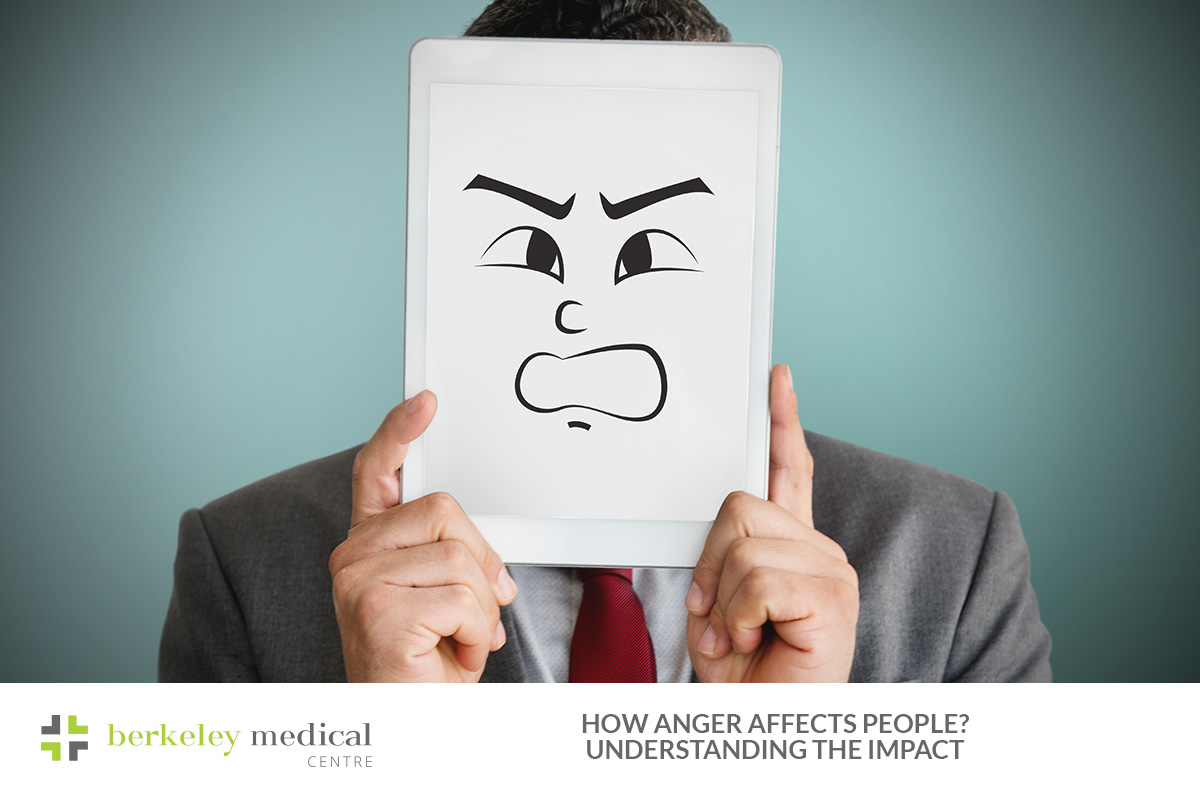
Anger is a normal human emotion. Everyone feels angry at times, whether it is due to stress, frustration, conflict, disappointment or feeling misunderstood. In some situations, anger can even be helpful. It may motivate a person to speak up, set boundaries or make positive changes.
However, when anger becomes frequent, intense or difficult to control, it can affect a person’s physical health, mental wellbeing, relationships and daily life. Unmanaged anger may contribute to stress, arguments, poor sleep and unhealthy coping behaviours. Better Health Victoria notes that uncontrolled anger can affect the body through the stress response and may be linked with issues such as anxiety, high blood pressure, headaches and sleep problems.
What We Will Cover?
In this article, we will discuss:
- What anger does to the body
- How anger affects mental health
- The impact of anger on relationships
- Healthy and unhealthy ways people express anger
- Practical anger management strategies
- When to seek support from a GP or mental health professional
What Happens in the Body When You Feel Angry?
When a person feels angry, the body may enter a “fight or flight” response. This is the same stress response that can occur during fear, anxiety or danger.
During anger, the body may release stress hormones such as adrenaline and cortisol. These hormones prepare the body to react quickly. As a result, a person may notice:
- Faster heart rate
- Increased blood pressure
- Faster breathing
- Muscle tension
- Sweating
- Feeling hot or flushed
- Tightness in the chest or jaw
- Difficulty thinking calmly
In the short term, this response is natural. But when anger happens often or stays unresolved, the repeated stress response may place extra pressure on the body.
Health Problems Linked with Unmanaged Anger
Long-term anger can affect different areas of health. It may not be the only cause of health problems, but it can contribute to ongoing stress and make existing conditions harder to manage.
Unmanaged anger may be linked with:
- Headaches
- Digestive discomfort or abdominal pain
- Trouble sleeping
- Increased anxiety
- Low mood or depression
- High blood pressure
- Skin flare-ups, such as eczema
- Increased strain on heart health
- Greater risk of conflict, aggression or unsafe behaviour
People who already live with chronic conditions, stress, sleep difficulties or mental health concerns may find that anger makes symptoms feel worse.
How Anger Affects Mental Health
Anger and mental health are closely connected. Sometimes anger is a response to feeling hurt, stressed, ignored, overwhelmed or afraid. At other times, anger may be a sign that a person is struggling with anxiety, depression, grief, trauma or ongoing pressure.
Anger can affect mental wellbeing by causing:
- Racing thoughts
- Irritability
- Difficulty concentrating
- Feeling emotionally drained
- Guilt or regret after an outburst
- Increased stress levels
- Withdrawal from others
- Feeling constantly “on edge”
Some people express anger outwardly, while others hold it inside. Bottling up anger may seem easier in the moment, but over time it can contribute to sadness, resentment, anxiety or sudden emotional outbursts.
How Anger Affects Relationships
Anger can have a major impact on relationships with partners, family, friends, co-workers and children. When anger is expressed through shouting, blame, threats, sarcasm or aggression, it can make others feel unsafe, unheard or distant.
Unmanaged anger may lead to:
- Frequent arguments
- Communication breakdown
- Hurtful words or behaviour
- Loss of trust
- Emotional distance
- Workplace tension
- Family stress
- Social isolation
Healthy communication is important. It is possible to feel angry without being aggressive. Learning to pause, speak calmly and explain feelings clearly can help reduce conflict and protect relationships.
Healthy Ways to Express Anger
Anger does not need to be ignored or denied. The goal is not to “never feel angry”. The goal is to recognise anger early and respond in a safe, respectful and constructive way.
Healthy ways to manage anger include:
- Taking a break from the situation until you feel calmer
- Naming the emotion: “I am feeling angry right now”
- Identifying what triggered the anger
- Speaking honestly without attacking or blaming
- Using “I feel” statements
- Doing physical activity, such as walking or exercise
- Practising slow breathing or relaxation techniques
- Talking to someone you trust
- Writing thoughts in a journal
- Seeking professional support when anger feels difficult to control
Unhelpful Ways to Deal with Anger
Some responses to anger can make the situation worse. These may provide short-term release but often lead to regret, damaged relationships or ongoing stress.
Unhelpful anger responses include:
- Yelling or verbal abuse
- Physical aggression
- Threatening behaviour
- Breaking objects
- Silent treatment or emotional withdrawal
- Blaming everyone else
- Bottling up feelings until they explode
- Using alcohol or substances to cope
- Taking anger out on children, pets or others who are not responsible
If anger ever leads to violence, fear or unsafe behaviour, it is important to seek immediate support.
Practical Anger Management Strategies
Managing anger is a skill that can improve with practice. Small changes can make a meaningful difference.
Try these strategies:
- Notice early warning signs, such as clenched fists, tight shoulders or fast breathing
- Pause before responding
- Count slowly or focus on breathing
- Step away from the situation when safe to do so
- Avoid sending messages while angry
- Return to the conversation when calmer
- Exercise regularly to reduce stress
- Get enough sleep where possible
- Reduce alcohol or other triggers
- Consider counselling or psychology support
- Speak with a GP about mental health support options
Regular exercise may also support mood management by helping reduce stress and improving general wellbeing.
Teaching Children About Anger
Children also experience anger, but they may not yet know how to express it safely. Adults can help by teaching that anger is normal, but aggression is not acceptable.
Helpful approaches include:
- Staying calm and modelling respectful communication
- Acknowledging the child’s feelings
- Teaching problem-solving skills
- Encouraging words instead of hitting or yelling
- Setting clear consequences for aggressive behaviour
- Teaching calming strategies, such as breathing or taking space
- Praising appropriate emotional expression
When Should You Seek Help for Anger?
Consider speaking with a GP, counsellor or psychologist if anger is:
- Affecting your relationships
- Causing frequent arguments
- Making you feel out of control
- Leading to aggression or unsafe behaviour
- Affecting sleep, work or family life
- Linked with anxiety, depression or past trauma
- Being managed with alcohol, drugs or other harmful coping methods
A GP can help explore what may be contributing to anger and discuss support options, including mental health care plans, counselling referrals and lifestyle strategies.
Conclusion
Anger is a normal emotion, but when it becomes unmanaged, it can affect the body, mind and relationships. It may contribute to stress, high blood pressure, poor sleep, anxiety, depression and ongoing conflict.
The good news is that anger can be managed. With awareness, healthy communication, relaxation strategies, exercise and professional support when needed, people can learn to respond to anger in safer and more constructive ways.
How We Can Help
A GP can be a supportive first step if anger is affecting your wellbeing, relationships, sleep, stress levels or daily life. Through a confidential consultation, a GP can help explore possible underlying causes, discuss mental health support options, provide guidance around lifestyle strategies and consider referrals to psychologists or allied health professionals where appropriate.
For urgent crisis support in Australia, Lifeline is available on 13 11 14. If there is immediate danger or risk of harm, call 000.
*This information is for general education only and does not replace professional medical advice. Seek advice from qualified health professionals.
Also Read: