


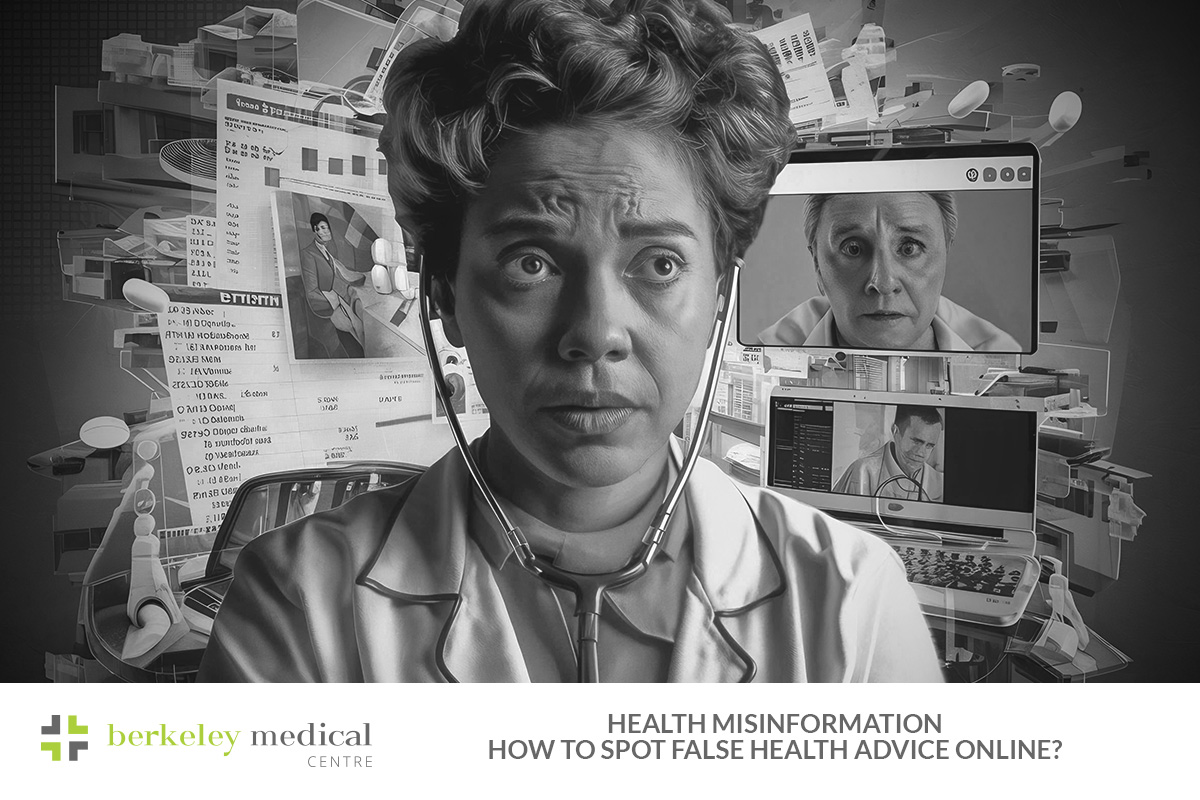
Health misinformation means false or misleading health information. Disinformation means false information shared on purpose to mislead, sell, influence or cause harm. The Royal Children’s Hospital explains that misinformation can include information that is made up, partly true, or taken out of context. Disinformation has a deliberate intent to trick or harm others.
For Brisbane patients, the best response is not panic. It is a practical habit: pause, check the source and speak with a qualified health professional before changing treatment.
Why health misinformation spreads so quickly
Health misinformation spreads because people want answers. When someone feels worried, tired or unwell, a simple solution can feel comforting. Social media also rewards fast, emotional and eye-catching content.
Medical News Today notes that people now see health content through videos, articles and social media posts every day. Some of that content may lack strong checks, clinical review or clear evidence.
False health advice can also sound personal. A stranger may say, “This worked for me.” That does not mean it will work for you. Your age, medicines, allergies, health history and diagnosis all matter.
Common signs of unreliable health advice
Not every wrong claim looks obvious. Some posts use medical words, stock images or fake expert language. Watch for these warning signs:
- It promises a quick cure for a complex condition
- It says doctors are hiding “the truth”
- It uses fear, urgency or pressure to buy
- It relies only on testimonials
- It has no author, date or references
- It asks for personal details before giving information
- It sells one product as the only answer
- It tells you to stop prescribed medicine without medical advice
The Royal Children’s Hospital warns that big claims, poor spelling, missing sources, no review dates and “one solution only” messaging can suggest unreliable health content.
Check who created the information
A trusted health article should make the source clear. Look for the author, their qualifications and the organisation behind the page. Reliable Australian sources often include government health websites, hospitals, universities, medical colleges and condition-specific organisations.
A content that uses clinical governance, evidence-based sources, expert review and regular updates. It should also use Australian standards, clinical guidelines, peer-reviewed literature and government information.
This matters because overseas advice may not match Australian services, medicines, vaccine schedules or referral pathways. For local patients, Australian sources usually give more relevant guidance.
Understand the difference between health information and advertising
Some health content looks educational but works like advertising. It may sell supplements, tests, programs, injections, devices or paid courses. This does not always make it unsafe. It does mean you should read carefully.
Better Health Channel advises caution with information written to sell a product or service. It also warns that claims such as “scientifically tested” do not always mean “scientifically proven”.
In Australia, therapeutic goods include medicines, medical devices and biologicals. The Therapeutic Goods Administration evaluates, assesses and monitors these products to help protect public health.
Before buying a health product online, ask:
- Is it approved or regulated in Australia?
- Does it make unrealistic claims?
- Does it list risks and side effects?
- Does it replace proper medical care?
- Can my GP or pharmacist check it first?
Be careful with social media health trends
Social media can help people feel less alone. It can also spread incomplete advice. A person may share their real experience, but their treatment may not suit you.
Better Health Channel explains that friends, forums and social media are not substitutes for proper medical advice. Even people with the same condition can have different medical histories and needs.
Be especially careful with posts about:
- Weight loss medicines or supplements
- Hormone treatments
- Skin treatments
- Mental health medicines
- Vaccines and immunisations
- Diabetes or blood pressure advice
- Cancer “cures”
- Children’s health symptoms
- Pregnancy and fertility advice
Never stop, start or change medicine because of a post. A GP can help you compare online claims with your health history.
How to fact-check health claims
Use a simple three-step check before trusting health advice.
First, check the source. Look for Australian government sites, recognised hospitals, universities, medical colleges or major health organisations.
Second, check the evidence. Reliable health advice usually links to research, guidelines or expert review. Be cautious when a claim only uses influencer stories.
Third, check the date. Medical advice changes as evidence grows. Old content may no longer reflect current care.
The Royal Children’s Hospital recommends using local Australian sources, as health laws, treatments and advice can differ between countries.
When should you speak with a GP?
You should speak with a GP when online health advice makes you feel unsure, worried or pressured. You should also book a review before changing medicine, delaying care or trying a new treatment.
A GP can help you understand symptoms, test results, treatment choices and red flags. They can also explain risks in plain English.
Book a GP appointment if you notice:
- New or worsening symptoms
- Side effects from medicine
- Conflicting online advice
- Anxiety about a diagnosis
- Advice telling you to avoid standard care
- A product that sounds too good to be true
- Health questions about a child, older person or pregnancy
A short conversation may prevent unnecessary worry. It may also help you avoid unsafe choices.
Make better health decisions with trusted support
Health misinformation can affect anyone. It often targets people who want answers quickly. A safer approach is to slow down, check the source and ask questions.
Reliable health information should be clear, current and evidence-based. It should explain benefits, risks and limits. It should not pressure you to buy, panic or ignore medical advice.
Speak with a Brisbane GP about confusing health advice
If online health advice has left you unsure, Berkeley Medical Centre can help you review your concerns in a calm and practical way. Appointments are available through HotDoc, and the clinic supports patients with GP care, preventative health, chronic disease management, mental health care and allied health services.
*This information is for general education only and does not replace professional medical advice. Seek advice from qualified health professionals.
Also Read: