



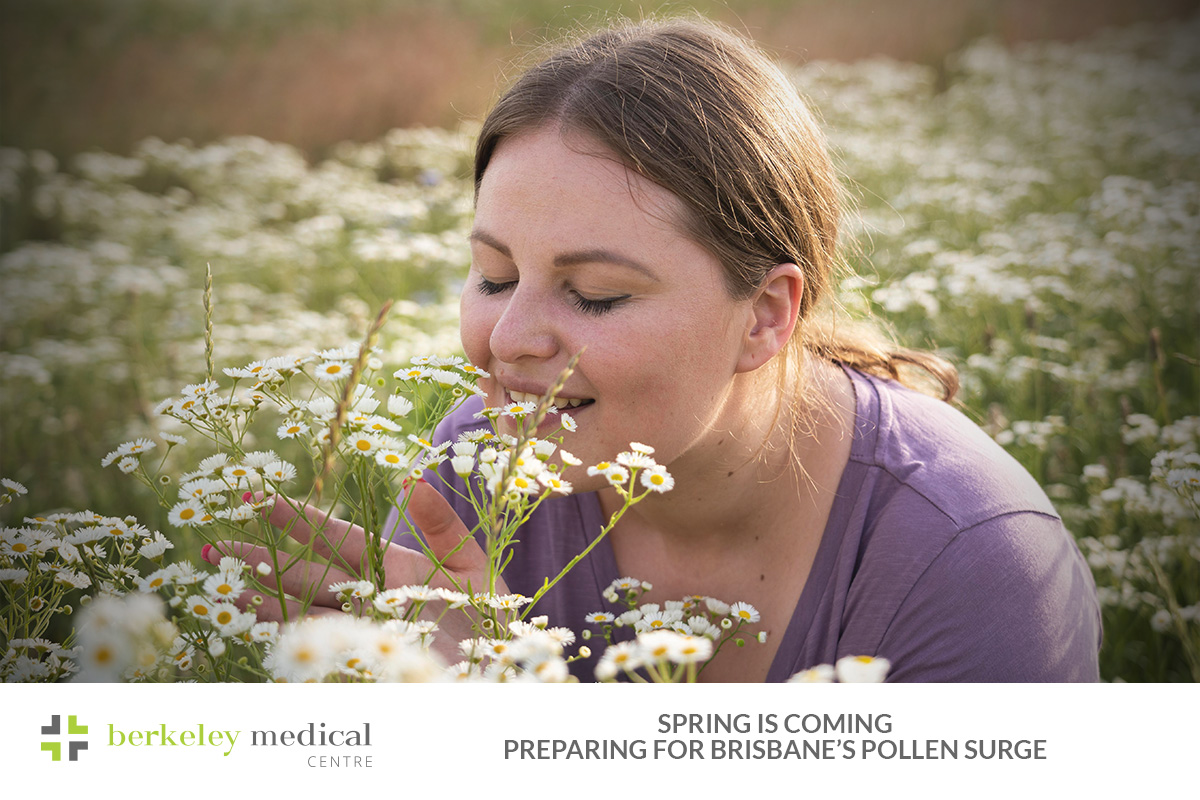
August often catches Brisbane allergy sufferers by surprise. Warmer afternoons, flowering plants, windy weather and outdoor activity can bring back familiar symptoms. Sneezing, congestion and itchy eyes may appear before spring officially begins. However, August is not always Brisbane’s main grass pollen peak. Research suggests the city’s grass pollen season usually runs from late spring into mid-autumn. August therefore offers a valuable window to prepare before wider seasonal exposure begins.
Why Brisbane Allergy Symptoms Can Begin Before Spring
Brisbane has a humid subtropical climate. Its pollen pattern differs from those in cooler southern cities.
Tree, weed and grass pollens do not all appear at the same time. Individual plants also respond differently to temperature, rainfall and soil moisture. This means one person may develop symptoms while local grass pollen remains low.
Dust mites, mould and animal dander may cause similar symptoms throughout the year. Some people experience ongoing allergic rhinitis with a seasonal flare during late winter or spring.
Wind can also move pollen across suburbs. Gardening, lawn maintenance and outdoor sport may increase personal exposure. Your symptoms may therefore depend on your location, activities and specific allergies.
Is There Really an August Pollen Surge in Brisbane?
Pollen levels change from year to year. They also vary between Brisbane suburbs.
August may bring increased exposure to certain flowering plants. It can also signal the start of symptoms for sensitive residents. However, Brisbane’s main grass pollen activity usually develops later than Melbourne’s spring peak. Local studies place Brisbane’s extended grass pollen season broadly between November and April.
The phrase “August pollen surge” is best understood as an early warning. It is time to review your symptoms, treatments and asthma plan.
Do not wait for severe symptoms before preparing. Early action may reduce missed work, disrupted sleep and uncomfortable school days.
Recognise Common Pollen Allergy Symptoms
Pollen allergy can cause allergic rhinitis, commonly called hay fever. It may also affect the eyes and airways.
Common symptoms include:
• Repeated sneezing
• A runny or blocked nose
• Itching inside the nose or throat
• Red, itchy or watery eyes
• Headaches or facial pressure
• Poor sleep and daytime tiredness
• Reduced concentration at school or work
• Coughing, wheezing or chest tightness
Hay fever symptoms often continue while exposure continues. A cold usually improves within several days and may cause fever or body aches.
Watery, itchy eyes often suggest an allergy. Thick discharge, severe eye pain or vision changes need medical assessment.
Start Your Hay Fever Plan During August
Preparing before symptoms become severe can make daily management easier.
Begin by reviewing what happened during your last allergy season. Note which symptoms affected you most. Consider whether your usual treatment provided enough relief.
Keep a simple symptom diary during August. Record outdoor activities, weather conditions and medicine use. Include any coughing, wheezing or disturbed sleep.
Check local pollen information when available. A forecast cannot diagnose an allergy, but it may help identify patterns.
You should also confirm that your medicines remain within their expiry dates. Ask a pharmacist or GP about correct storage and use.
Reduce Pollen Exposure at Home
You cannot avoid every pollen grain. However, small changes may reduce the amount entering your home.
Close windows during windy periods or when pollen levels rise. Use recirculated air while driving when outdoor exposure feels high.
After gardening or outdoor exercise, change your clothes. Shower and wash your hair before going to bed.
Dry sheets and clothing indoors on high-pollen days. Outdoor washing can collect airborne pollen.
Clean indoor surfaces with a damp cloth. Dry dusting may lift particles back into the air.
Keep pets away from pillows after they spend time outside. Pollen can collect on fur and enter sleeping areas.
Repair damaged window screens before spring. Regularly clean air-conditioning filters according to the manufacturer’s instructions.
These measures can also help reduce exposure to dust, mould and other airborne irritants.
Plan Outdoor Activities More Carefully
Pollen exposure may rise during dry or windy weather. Gardening and mowing can also bring allergens closer to your face.
Consider these practical steps:
• Wear wraparound sunglasses outdoors
• Avoid mowing when symptoms are active
• Ask someone else to complete heavy yard work
• Wear a suitable mask during dusty gardening
• Keep car windows closed during windy travel
• Shower after sport, bushwalking or garden work
• Avoid rubbing itchy eyes with unwashed hands
Staying indoors during high pollen conditions and around thunderstorms is recommended. Closing home and car windows may further reduce exposure.
Review Hay Fever Medicines Early
Hay fever medicines work in different ways. The best option depends on your symptoms and medical history.
Saline nasal sprays or rinses can remove mucus and allergens. They may provide relief from mild congestion and irritation.
Antihistamines can help control sneezing, itching and watery eyes. They come as tablets, liquids, nasal sprays and eye drops.
Intranasal corticosteroid sprays reduce inflammation inside the nose. They usually work best with regular daily use. Benefits may take several days to develop.
Correct nasal spray technique matters. Aim the spray slightly away from the centre of your nose. Avoid sniffing so strongly that the medicine runs into your throat.
Decongestant nasal sprays should only be used briefly. Longer use can worsen congestion. Decongestant tablets can also affect sleep, anxiety and blood pressure.
Ask a GP or pharmacist before starting treatment for a child. Seek advice during pregnancy or breastfeeding. You should also discuss existing health conditions and other medicines.
Do Not Ignore the Hay Fever and Asthma Connection
Hay fever and asthma often occur together. Poorly controlled nasal symptoms may make asthma harder to manage.
Watch for coughing, wheezing, shortness of breath or chest tightness. Night waking and difficulty exercising may also suggest poor asthma control.
People with asthma should review their written asthma action plan before spring. Use prescribed preventer medicines as directed. Keep reliever medicine accessible.
Thunderstorm asthma usually occurs during spring or early summer. It can develop when storm conditions break grass pollen into tiny particles. These particles can enter the lungs and trigger serious symptoms.
Stay indoors before, during and shortly after thunderstorms during pollen season. Close doors and windows. Set air conditioning to recirculate when appropriate.
Call Triple Zero on 000 for severe breathing difficulty. Emergency help is also necessary when symptoms worsen quickly or reliever medicine does not help.
Help Children Prepare for Allergy Season
Hay fever can affect a child’s sleep, concentration and classroom participation. Ongoing nasal blockage may also contribute to mouth breathing or snoring.
Ask children about symptoms rather than waiting for visible distress. They may describe itchy eyes, a “blocked head” or constant tiredness.
Tell teachers or carers about known allergies and asthma. Ensure the school has any required action plans and medicines.
Arrange a GP review when symptoms affect learning, sleep or sport. Persistent cough, wheezing or breathing difficulty also needs assessment.
Berkeley Medical Centre provides children’s healthcare for concerns including allergies, coughs and immunisation needs.
When Should You See a GP?
Arrange a GP appointment when symptoms remain persistent or troublesome. You should also seek advice when pharmacy treatment does not provide enough relief.
A GP can review your symptom pattern, triggers, medicines and general health. They can also check for other causes of congestion, coughing or irritated eyes.
Further assessment may help when the trigger remains unclear. Some patients may need referral for specialist allergy testing or immunotherapy. A medical specialist must start allergen immunotherapy.
Seek prompt medical advice for new wheezing or shortness of breath. Sudden severe breathing problems require emergency care.
How Berkeley Medical Centre Can Help
Berkeley Medical Centre provides GP care at Kenmore Plaza in Brisbane’s western suburbs. Our team includes experienced general practitioners and registered nurses.
Our services include general medicine, children’s health and chronic disease management. Several GPs have interests in preventive, holistic and family healthcare.
A GP can assess recurring hay fever symptoms and review your current medicines. We can also consider coughing, wheezing, sleep disruption and possible asthma concerns.
Where appropriate, your GP may discuss a personalised treatment plan or referral pathway. This can help you approach Brisbane’s changing pollen season with greater confidence.
Prepare Now for a More Comfortable Spring
August provides a useful opportunity to prepare before Brisbane’s broader pollen season develops. Review last year’s symptoms and check your medicines. Reduce pollen entry into your home and monitor local conditions.
Do not dismiss symptoms that affect sleep, breathing or daily activities. Berkeley Medical Centre’s Kenmore GPs can assess persistent allergies and related asthma concerns. Online appointments are available through HotDoc.
*This information is for general education only and does not replace professional medical advice. Seek advice from qualified health professionals.
Also Read: