




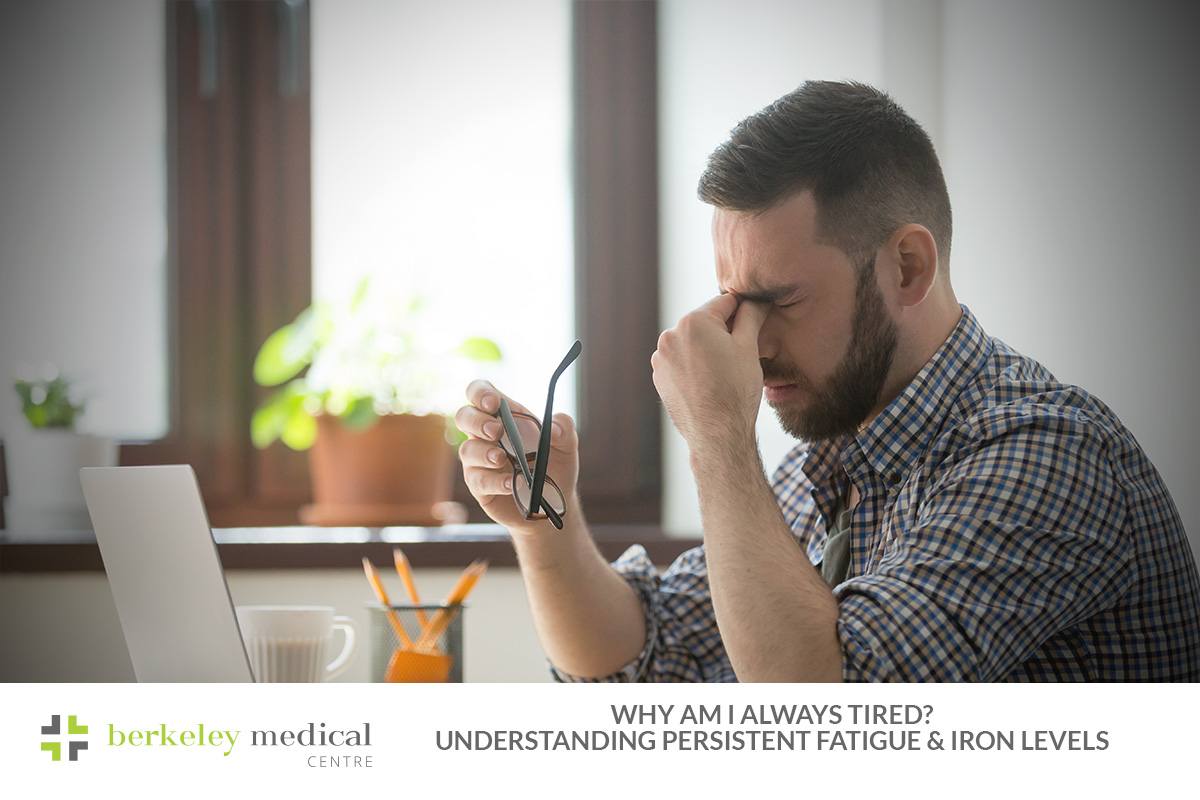
Feeling tired after a busy week is common. Feeling exhausted most days is different. Persistent fatigue in Brisbane can affect concentration, exercise, work and everyday routines. Low iron may contribute, but it is only one possible cause. Sleep problems, stress, medicines and other health conditions can also reduce energy. A GP can help investigate what is happening rather than relying on guesswork.
What Does Persistent Fatigue Feel Like?
Fatigue is more than simply wanting an early night.
You may feel drained during normal activities. You might wake without feeling refreshed or struggle to start everyday tasks.
Common experiences include:
- Feeling tired despite sleeping
- Low energy throughout the day
- Difficulty concentrating
- Reduced motivation
- Becoming tired quickly during activity
- Feeling weak or “run down”
- Needing more rest than usual
Fatigue can develop quickly or appear gradually.
Healthdirect recommends seeing a doctor if fatigue lasts more than two weeks without improving. Earlier assessment is sensible if it worries you or limits normal activities.
Is Low Iron Making You Tired?
Iron plays an important role in producing haemoglobin. Haemoglobin helps red blood cells carry oxygen around your body.
When your iron stores become too low, you may develop iron deficiency. Some people later develop iron-deficiency anaemia.
Possible symptoms of iron deficiency can include:
• Persistent tiredness
• Weakness
• Poor concentration
• Headaches
• Dizziness or light-headedness
• Shortness of breath
• Reduced exercise tolerance
However, these symptoms are not specific to iron deficiency. Many health problems can cause similar changes.
Why Can Iron Levels Become Low?
Low iron can develop for several reasons.
Some people do not consume enough iron through their diet. Others have difficulty absorbing iron from food.
Blood loss can also reduce iron stores.
Possible contributors include heavy menstrual periods, frequent blood donation and gastrointestinal bleeding. Pregnancy can increase iron requirements.
Conditions affecting iron absorption may also contribute. These can include coeliac disease and inflammatory bowel disease.
Your GP will usually consider the reason for low iron rather than treating the blood test result alone.
What Blood Tests Can Check Iron Levels?
Your GP may recommend blood tests based on your symptoms and medical history.
A full blood count can help identify anaemia. Iron studies provide more information about iron within the body.
Iron studies may include:
• Ferritin, which reflects stored iron
• Serum iron
• Transferrin or total iron-binding capacity
• Transferrin saturation
These results need clinical interpretation.
A result outside a laboratory reference range does not always explain your symptoms on its own. Your GP considers the results alongside your general health and other findings.
Why Tiredness is Not Always an Iron Problem
Searching “why am I always tired?” can quickly lead to iron deficiency.
However, persistent fatigue has many possible causes.
Poor sleep is a common contributor. Sleep apnoea and insomnia can also leave you exhausted during the day.
Other possible causes include:
- Stress, anxiety or depression
- Thyroid problems
- Diabetes
- Recent infections
- Some heart or kidney conditions
- Nutritional deficiencies
- Certain medicines
- Excessive alcohol use
- Poor diet or inadequate activity
- Long COVID or other ongoing health conditions
Sometimes, no single cause becomes immediately obvious.
That is why a broader GP assessment can be more useful than requesting one specific blood test.
What Will a GP Ask About Fatigue?
A fatigue consultation usually begins with your symptoms.
Your GP may ask when the tiredness started and how it affects your normal routine.
They may also ask about:
- Sleep quality and snoring
- Diet and recent weight changes
- Menstrual bleeding
- Exercise and activity
- Stress and mental wellbeing
- Medicines and supplements
- Alcohol intake
- Recent illness
- Digestive symptoms
- Family and medical history
A physical examination may also help.
Your GP can then decide whether blood tests or other investigations are appropriate.
Should You Start Taking Iron Supplements Yourself?
It can be tempting to try an iron supplement when tiredness develops.
However, fatigue alone does not confirm iron deficiency. Too much iron can also cause health problems. Iron studies can be complex, so treatment should reflect your results and circumstances.
If you suspect low iron, discuss it with your GP or pharmacist before starting high-dose supplementation. Treatment depends on both the level of deficiency and its cause.
What About Iron Infusions?
Some people with confirmed iron deficiency may require intravenous iron.
An iron infusion delivers iron through a vein. It is not a routine treatment for general tiredness.
Your doctor will consider your test results, symptoms, medical history and response to other treatment first.
Berkeley Medical Centre provides iron infusion services in Kenmore when a treating doctor considers them clinically appropriate.
Iron infusions and other procedures may involve separate fees, depending on individual circumstances.
Can Nutrition Help With Low Iron?
Diet can contribute to healthy iron intake.
Iron comes from both animal and plant foods. Your individual needs can vary with age, diet and health. Some people may benefit from dietetic advice, especially when dietary restrictions or absorption issues affect nutrition.
Berkeley Medical Centre works with a dietetic partner as part of its wider care network. A GP can help determine whether dietary support, supplements or another treatment approach may suit your situation.
Could Hormones or Metabolism Be Involved?
Persistent fatigue may sometimes relate to conditions such as thyroid disease or diabetes.
Your GP can assess symptoms and arrange appropriate testing when indicated. Where specialist input is required, Berkeley Medical Centre also hosts visiting endocrinologist Dr Shenaz Seedat in Kenmore.
Specialist referral depends on your clinical needs rather than fatigue alone.
When Should Tiredness Be Checked Promptly?
Arrange a GP review if fatigue continues, worsens or begins affecting everyday life.
Tell your doctor about associated symptoms such as unexplained weight loss, persistent breathlessness or noticeable bleeding.
Seek urgent medical help for severe chest pain, severe breathing difficulty, loss of consciousness or significant uncontrolled bleeding.
These symptoms require more urgent assessment than a routine fatigue consultation.
How Berkeley Medical Centre Can Help With Persistent Fatigue?
Berkeley Medical Centre provides general practice care in Kenmore for patients across Brisbane’s western suburbs.
Our GPs can assess persistent tiredness, review possible causes and arrange investigations when clinically appropriate. Nearby pathology access can make recommended blood testing more convenient.
If low iron is identified, your doctor can discuss the cause and suitable treatment options. These may include dietary changes, oral treatment or iron infusion when appropriate. We can also consider other contributors to fatigue, including chronic conditions, mental health, sleep and endocrine concerns.
A GP review can help turn “Why am I always tired?” into a more informed plan for your health.
*Note: This article is for informative purposes only and should not be considered a medical advice. For health issues, please consult GP for personalised diagnosis and healthcare.
Also Read: