


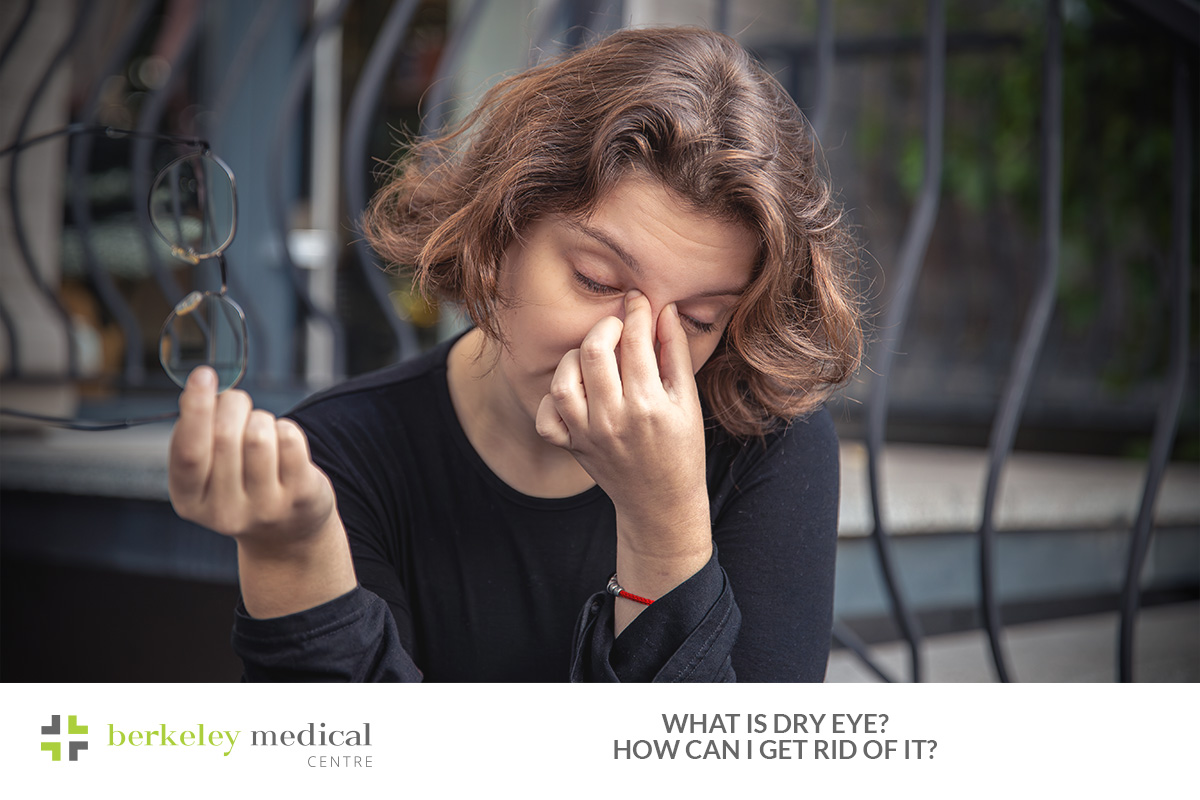
Dry eye can make reading, driving and screen use uncomfortable. Your eyes may feel gritty, tired, burning or unusually watery. Finding effective dry eye treatment in Brisbane starts with identifying the cause. Mild symptoms often improve with practical changes and suitable lubricating products. However, persistent dry eye may require assessment and ongoing management.
What Is Dry Eye?
Dry eye develops when your tears cannot lubricate the surface of your eyes effectively. You may produce too few tears. Your tears may also evaporate too quickly.
Healthy tear film contains oil, water and mucus. Each layer supports eye comfort and clear vision. Oil slows evaporation, water adds moisture and mucus spreads tears across the eye. Problems within any layer can contribute to dry eye symptoms.
Dry eye may only cause occasional irritation. However, some people develop a persistent condition called dry eye disease.
Treatment aims to improve comfort and protect the eye’s surface. It also addresses contributing factors where possible.
What Does Dry Eye Feel Like?
Dry eye symptoms vary between people. They can also change throughout the day.
Common symptoms include:
- A gritty or sandy feeling
- Burning, stinging or soreness
- Red or irritated eyes
- Sensitivity to light
- Tired eyes after reading
- Blurred or fluctuating vision
- Difficulty wearing contact lenses
- A feeling that something is in the eye
Dry eye can also cause watery eyes. Irritation may trigger excess tears, even though the underlying problem involves poor lubrication.
Symptoms may worsen later in the day. Screen use, air conditioning, wind and smoke can also increase discomfort.
What Causes Dry Eye?
Dry eye usually has more than one contributing factor. Ageing can reduce tear production, particularly after the age of 50.
Eyelid oil glands may also stop working effectively. These meibomian glands produce oils that slow tear evaporation. Blocked or inflamed glands can make tears disappear too quickly.
Other common risk factors include:
- Long periods of computer or mobile screen use
- Contact lens wear
- Air conditioning or heating
- Smoke, wind and dry air
- Eyelid inflammation or blepharitis
- Hormonal changes
- Previous eye surgery
- Some autoimmune conditions
- Diabetes and other health conditions
Several medicines can contribute to dry eye. Examples may include some antihistamines, decongestants, antidepressants and acne medicines. Never stop a prescribed medicine without medical advice. A GP can review whether a medicine may affect your symptoms.
Can Screen Time Cause Dry Eyes?
Screens do not always cause dry eye disease directly. However, concentrated screen use can reduce how often you blink.
Blinking spreads fresh tears across the eyes. Less frequent blinking can increase evaporation and irritation.
Try taking regular breaks during computer work. Look away from the screen and blink slowly several times. Position your monitor slightly below eye level. This may reduce how widely your eyes remain open.
Avoid placing a fan or air-conditioning vent directly towards your face. A humidifier may help in dry indoor environments.
How Can I Get Rid of Dry Eye?
There is no single treatment that works for every person. Some cases settle after removing a temporary trigger. Other cases require long-term symptom management.
The most suitable approach depends on your tear film, eyelids, medicines and general health.
Use Lubricating Eye Products
Artificial tears add moisture to the eye’s surface. Pharmacies offer drops, gels and ointments without a prescription.
Drops often suit daytime use. Gels may provide longer relief but can briefly blur vision. Ointments may help when symptoms worsen overnight or on waking.
Ask a pharmacist, optometrist or GP which product suits your symptoms. People who need frequent drops may require a preservative-free option. Preservatives can irritate some eyes, especially with frequent use.
Avoid using redness-relief drops as a long-term dry eye treatment without professional advice. These products may not address the underlying problem.
Apply a Warm Compress
A warm compress may help when blocked eyelid glands contribute to symptoms. Place a comfortably warm, clean cloth over closed eyelids.
The warmth may soften oils within the eyelid glands. Gentle eyelid cleaning may also help people with blepharitis.
Use careful hygiene and avoid excessive pressure. Seek advice about suitable eyelid cleaners if crusting or inflammation persists.
Protect Your Eyes Outdoors
Brisbane’s heat, wind and bright outdoor conditions may increase tear evaporation. Wraparound sunglasses can protect your eyes from wind, sunlight and airborne irritants.
Avoid smoke whenever possible. Take breaks from dusty environments and use suitable eye protection during yard work.
Contact lens wearers may need shorter wearing periods during symptom flare-ups. Follow your optometrist’s instructions for cleaning and replacement.
Review Your Medicines and Health
Persistent dry eye may relate to another medical issue. Tell your GP about other symptoms, current medicines and previous eye procedures.
Mention dry mouth, joint pain, skin symptoms or ongoing fatigue. These details may help identify a contributing health condition.
Your GP may examine your eyes and eyelids. They may also review your medicines or recommend assessment by an optometrist. More severe or complex symptoms may require an ophthalmologist referral.
When Should You See a Doctor?
Arrange an appointment when symptoms continue after several weeks of self-care. You should also seek advice when dry eye affects driving, reading, work or sleep.
A red eye requires prompt assessment when you wear contact lenses. Contact lens users have a higher risk of serious corneal infection.
Seek prompt medical care for a painful and red eye. Urgent assessment is also important when you experience:
- Sudden or significant vision changes
- Flashing lights or wavy lines
- Pain when looking at light
- A severe headache with a red eye
- An eye injury or chemical exposure
- Rapidly worsening pain or swelling
These symptoms may indicate something more serious than uncomplicated dry eye.
Take the Next Step Towards More Comfortable Eyes
Dry eye often improves when you address triggers and use treatment consistently. Start with regular screen breaks, protection from wind and suitable lubricating products.
Do not ignore ongoing pain, redness or vision changes. A proper assessment can distinguish dry eye from infection, allergy, injury and other eye conditions.
Berkeley Medical Centre’s Kenmore GPs can review persistent dry eye symptoms and discuss appropriate next steps. Appointments are available through the clinic’s online HotDoc booking service.
*This information is for general education only and does not replace professional medical advice. Seek advice from qualified health professionals.
Also Read: