


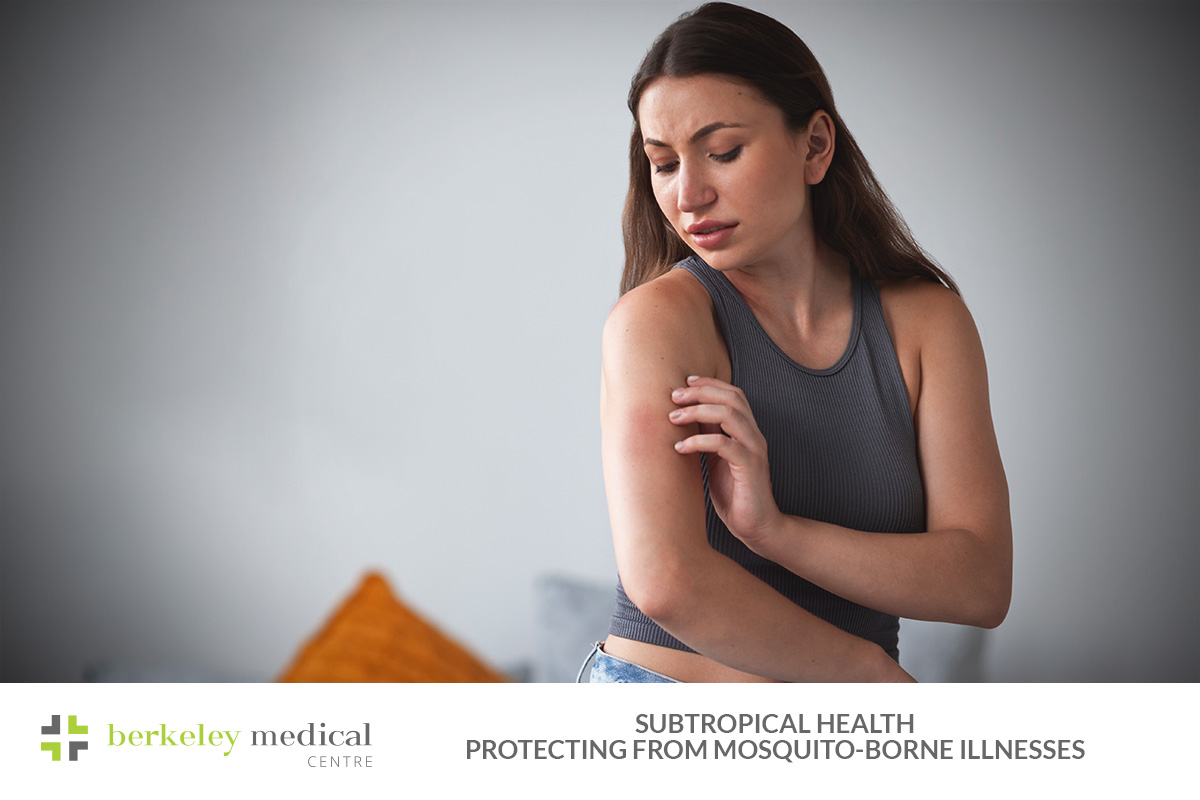
Living in South East Queensland means enjoying outdoor meals, sport, gardening and warm evenings. It also means sharing our subtropical environment with mosquitoes. Most bites cause temporary itching. However, some mosquitoes can transmit illnesses that affect the whole family.
Families can lower their risk through simple habits at home and outdoors. Understanding warning signs also helps you seek medical care promptly.
Why Mosquito Protection Matters in South East Queensland?
Mosquito numbers often rise after rain, flooding and warm weather. Water can collect in gutters, buckets, toys, pot saucers and uncovered containers. These small pools may create breeding sites close to your home.
Queensland Health identifies Ross River virus, Barmah Forest virus and dengue among the state’s most common mosquito-borne diseases. Ross River and Barmah Forest viruses occur widely across Queensland. Dengue risk becomes more relevant in central and northern Queensland, or after overseas travel.
Most Australian mosquitoes do not carry disease-causing germs. Prevention still matters because you cannot identify an infectious mosquito by sight.
Mosquito-Borne Illnesses Brisbane Families Should Know
Ross River virus can cause fever, rash, tiredness and painful or swollen joints. Muscle aches and headaches may also occur.
Barmah Forest virus can cause similar symptoms. These may include fever, rash, fatigue, muscle pain and joint discomfort. Some symptoms can continue for weeks.
Dengue may cause fever, headache, muscle or joint pain, nausea and rash. Brisbane families should consider dengue after travel to an affected area. Tell your GP about recent destinations and travel dates.
Travel plans, work locations and outdoor exposure can change your personal risk. A GP can discuss suitable prevention and travel health needs.
Remove Mosquito Breeding Sites Around Your Home
A weekly property check can reduce places where mosquitoes breed. Walk around your home after rain and empty standing water.
Pay close attention to:
- Pot plant saucers and decorative containers
- Buckets, watering cans and children’s outdoor toys
- Pet bowls and bird baths
- Tarpaulins, wheelbarrows and garden equipment
- Blocked roof gutters and drains
- Paddling pools and uncovered water containers
Refresh pet bowls and bird baths regularly. Store buckets upside down and keep paddling pools empty between uses. Clear gutters so rainwater drains freely.
Seal rainwater tanks and screen their inlet and outlet pipes. Repair damaged flyscreens on windows and doors. These steps reduce mosquito entry and breeding near living areas.
Choose Effective Mosquito Repellent
Apply an approved mosquito repellent to exposed skin before outdoor activities. Effective ingredients include DEET, picaridin and oil of lemon eucalyptus.
Always follow the label directions. Reapply only as directed, especially after swimming or heavy sweating. Apply sunscreen first, then add repellent.
Keep repellent away from eyes, mouths, broken skin and open wounds. Adults should apply repellent to young children. Avoid a child’s hands because they may touch their face.
Repellent is not recommended for babies under three months. Use long clothing and mosquito netting over cots or prams instead.
Wristbands, patches and phone apps should not replace skin-applied repellent. Protective clothing and an effective topical product offer more reliable protection.
Dress for Brisbane’s Outdoor Conditions
Wear loose, light-coloured clothing with long sleeves and long trousers. Add socks and closed shoes when mosquitoes are active.
Different mosquito species bite at different times. Some prefer dawn or dusk, while others bite during daylight. Protection throughout the day offers the safest approach.
Use screened areas for outdoor meals where possible. Mosquito nets can add protection during camping or travel.
Protect Children During Outdoor Play
Children may spend more time close to gardens, grass and shaded play areas. They may also scratch bites, which can damage the skin.
Teach children not to scratch. Wash bites with soap and water, then use a wrapped cold pack for swelling. Ask a pharmacist about suitable itch relief when needed.
Check play equipment for trapped water. Empty water tables, toy containers and small pools after use. Place mosquito netting over prams without blocking airflow.
After heavy rain, take extra care near wetlands, creeks and shaded garden areas.
Know When a Mosquito Bite Needs Medical Attention
Most mosquito bites cause an itchy, red or swollen lump. Home care often provides enough relief.
Arrange a GP review when swelling, redness or pain keeps increasing. Warm skin, discharge or worsening tenderness may suggest infection. Persistent symptoms also deserve medical advice.
Seek prompt assessment if fever, chills, rash, headache, unusual fatigue or joint pain develops after mosquito exposure. Tell the doctor when the bites occurred and where you were.
Symptoms may appear days after exposure. Mention recent camping, flooding, outdoor work or travel. These details can guide assessment and testing.
Call Triple Zero on 000 for breathing difficulty, collapse or another medical emergency.
Travel Can Change Your Family’s Risk
Mosquito-borne disease risks vary across Australia and overseas. Families visiting tropical destinations should plan before departure.
A pre-travel GP consultation can review your destinations, activities, accommodation and health history. Your GP may discuss bite prevention and relevant vaccinations.
Vaccines do not cover every mosquito-borne illness. Repellent, protective clothing and suitable accommodation remain important.
After returning, seek medical advice for fever, rash, severe headache, joint pain or unexplained fatigue. Share your complete travel itinerary, including stopovers.
Make Mosquito Prevention a Family Routine
Protecting your family does not require complicated equipment. Empty standing water, maintain screens and use effective repellent. Add loose clothing when spending time outdoors.
Include mosquito checks in your weekly garden and household routine. Pack repellent with sunscreen for sport, school events, camping and day trips.
Remain alert to fever, rash, joint pain or unusual tiredness after mosquito exposure. Prompt GP advice can provide reassurance and identify when further care may help.
Get Support for Concerning Symptoms
Berkeley Medical Centre’s Kenmore GPs can assess symptoms after mosquito bites and discuss practical prevention for your family. We can also review travel-related risks before or after a trip. Appointments are available through the clinic’s online HotDoc booking service.
*This information is for general education only and does not replace professional medical advice. Seek advice from qualified health professionals.
Also Read: