




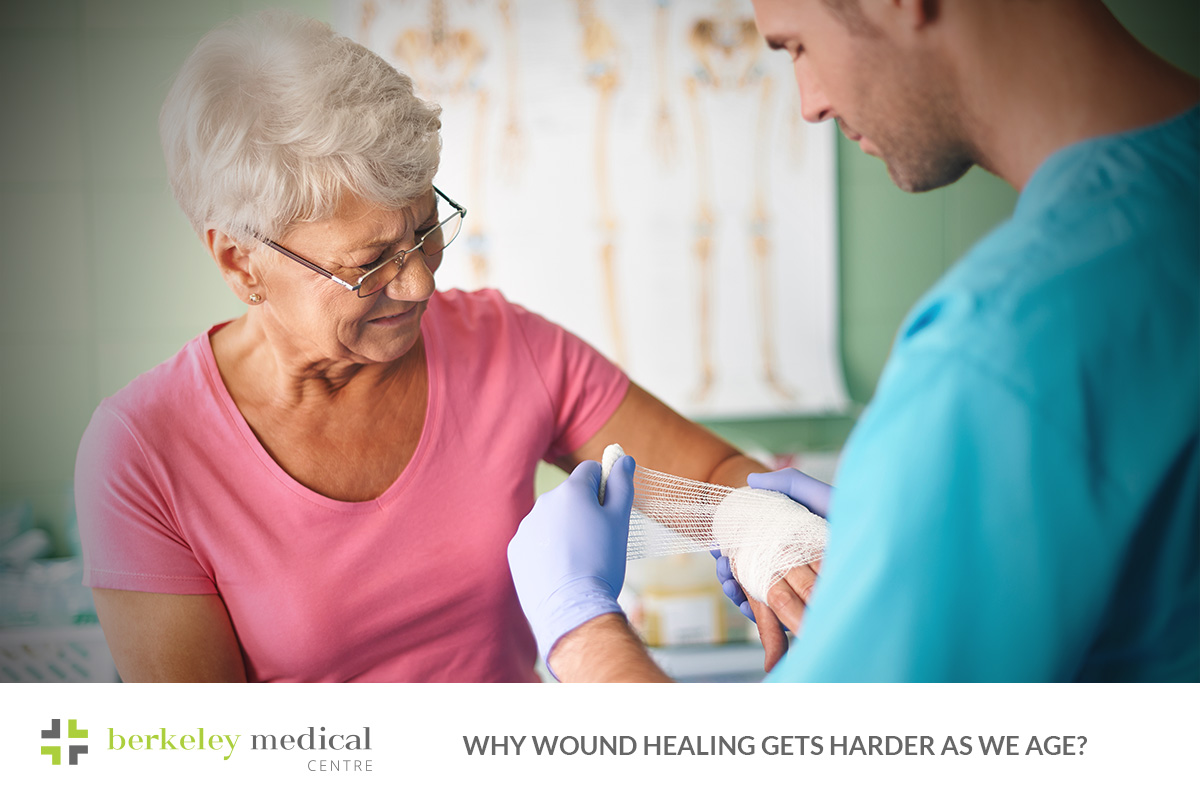
As people age, many begin to notice that minor cuts, scrapes or bruises take much longer to heal. What once recovered in a week may now linger for several weeks or even months. This slower wound healing is a common part of ageing, but understanding why it happens can help older adults protect their skin, reduce complications and seek appropriate healthcare support when needed.
In this article, we explore the changes that occur in ageing skin, why wound healing slows with age and practical ways to support better healing and skin health in later life.
Why Wound Healing Slows Down With Age
Ageing Skin Becomes Thinner and More Fragile
One of the biggest reasons wound healing becomes slower with age is that the skin gradually becomes thinner and less elastic. As collagen and elastin levels decline, the skin loses strength and flexibility. This means it:
- Tears more easily
- Regenerates more slowly
- Provides a weaker barrier against infection
Additionally, the natural renewal of skin cells slows down. Reduced hydration and oil production also weaken the skin barrier, making wounds more difficult to repair.
Growth Factors and Cell Renewal Decline With Age
Healthy wound healing depends on growth factors, stem cells and effective communication between skin and immune cells. As people grow older:
- Fewer regeneration-ready cells are available
- Cell signalling becomes less efficient
- Skin cells migrate more slowly into the wound
These changes directly contribute to delayed wound closure and prolonged healing times.
Inflammation Lasts Longer in Older Adults
Inflammation forms the first stage of wound healing. However, in ageing skin this phase often lasts longer than needed. Senescent cells, cells that no longer divide increase with age and release inflammatory chemicals that disrupt normal tissue repair. As a result:
- The wound stays inflamed for longer
- Healing becomes slower and less predictable
- Tissue regeneration is less effective
Reduced Collagen Production Weakens the Healing Process
Collagen plays a vital role in strengthening new tissue. As collagen production drops with age, wound sites take longer to regain strength. Older adults often experience:
- Slower tissue rebuilding
- Reduced wound stability
- Higher risk of re-injury
Additionally, ageing reduces the body’s ability to form new blood vessels, limiting the oxygen and nutrients needed for effective healing.
Why Chronic and Slow-Healing Wounds Are More Common in Older Adults
As people age, they face a higher risk of developing slow-healing or chronic wounds. Several factors increase this risk, including:
- Chronic conditions such as diabetes or circulatory problems
- Reduced mobility, which limits blood flow
- Dry, fragile skin prone to cracking and tearing
- A weakened immune system that struggles to control infection
- Nutritional deficiencies that slow tissue repair
If wounds heal slowly or become recurrent, they may progress into chronic ulcers. These can significantly affect mobility, comfort and overall wellbeing.
How to Support Better Wound Healing in Older Adults
Care for the Skin Daily
Healthy skin plays a major role in preventing slow-healing wounds. Support skin health by:
- Moisturising regularly
- Avoiding harsh soaps or cleansers
- Protecting the skin from sun damage and friction
These simple steps help strengthen the skin barrier and prevent injury.
Focus on Nutrition and Hydration
Good nutrition is essential for healthy wound healing. Older adults benefit from a diet rich in:
- Protein
- Vitamins A and C
- Zinc
- Iron
- Adequate fluids
These nutrients help the body form collagen, fight infection and rebuild tissue effectively.
Manage Chronic Conditions Actively
Chronic health conditions can significantly slow wound healing. Effective management supported by GPs and allied health professionals helps reduce the risk of complications.
Encourage Movement to Improve Circulation
Even gentle activity, such as walking or stretching, can improve blood flow and support tissue repair. Regular movement helps deliver oxygen and nutrients to the skin, which is vital for healing.
Respond Quickly to Wounds
Early care makes a major difference. Older adults should:
- Clean wounds promptly
- Apply appropriate dressings
- Monitor for signs of infection
- Seek advice if healing slows or changes occur
Prompt attention helps prevent small problems from becoming chronic wounds.
The Growing Importance of Wound Care in an Ageing Population
As Australia’s population ages, slow-healing wounds are becoming more common. This trend highlights the importance of:
- Early intervention
- Preventive skin care
- Education on managing chronic conditions
- Access to GP-led and allied health support
Improving wound care knowledge helps older adults stay independent, confident and healthy.
Conclusion
Wound healing naturally becomes slower as we age due to changes in skin structure, reduced collagen, slower cell turnover and altered immune responses. However, with the right strategies including good skin care, balanced nutrition, chronic disease management and early wound attention older adults can support healthier healing. Healthcare professionals at Berkeley Medical Centre can also provide personalised guidance to help maintain skin health and manage wounds more effectively.
Also Read: