





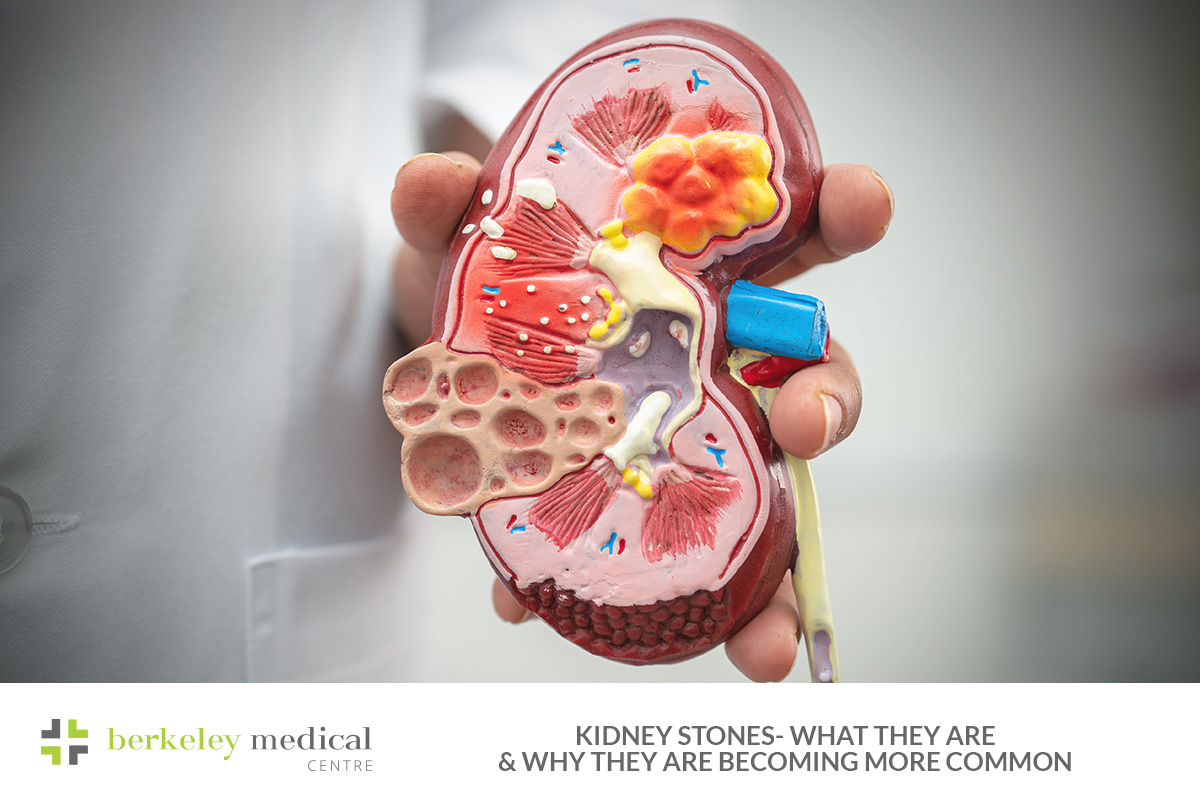
Kidney stones continue to affect many people and the number of cases is increasing. Many adults carry a kidney stone without realising it. These hard mineral deposits can remain silent in the kidneys until they move or block urine flow. When this occurs, pain often begins suddenly and can become extremely intense.
By understanding what causes kidney stones, how symptoms appear and how prevention works, people can take control of their kidney health. This article explains the causes, risks, diagnosis, treatments and prevention strategies so readers can make informed decisions and protect their wellbeing.
What Are Kidney Stones?
Kidney stones form when minerals and acid salts crystallise in the urine. As these crystals grow, they become solid deposits of various sizes. Some stones stay in the kidneys without causing symptoms. However, once a stone enters the ureter and becomes stuck, urine backs up into the kidney and causes swelling, pressure and significant pain.
Common Symptoms of Kidney Stones
Kidney stone symptoms differ depending on the size and location of the stone. Although some stones remain unnoticed, many cause noticeable and sometimes severe discomfort. Common symptoms include:
- Sharp pain in the lower back or flank
- Pain that rises and falls in waves
- Blood in the urine
- Nausea or vomiting
- Fever or chills when an infection develops
- Difficulty urinating or frequent urges to urinate
Because the pain can escalate quickly, many people seek medical help soon after symptoms begin.
Who Is at Higher Risk of Developing?
Kidney stones can affect anyone, yet some people face a higher risk. Several factors increase the likelihood of forming stones. These include:
- Family history of kidney stones
- Low fluid intake
- Diets high in salt or sugar
- Obesity or large weight changes
- High blood pressure
- Pregnancy
- Digestive conditions or past gastric surgery
- High intake of oxalate or purine rich foods
Insufficient hydration plays a major role in stone formation. When people do not drink enough water, their urine becomes concentrated and crystals form more easily.
How Kidney Stones Are Diagnosed
Healthcare professionals often diagnose kidney stones using CT scans. These scans clearly show the size and location of the stone. With this information, clinicians can determine whether the stone is likely to pass naturally or whether treatment is needed.
People who have had one kidney stone have a higher chance of developing another. Therefore, regular check-ups and lifestyle changes help reduce recurrence.
Potential Complications of Kidney Stones
Although many stones eventually pass on their own, some remain lodged and cause complications. These may include:
- Kidney infections
- Ongoing kidney damage
- Chronic kidney disease
- Rare cases of kidney failure
By seeking early medical support, people can reduce the risk of long term kidney problems and avoid serious complications.
Treatment Options for Kidney Stones
Natural Passage
Small kidney stones often pass through the urinary tract without intervention. This process may take several days or weeks. Adequate hydration and over the counter pain relief help many people manage discomfort during this time.
Shockwave Therapy
Clinicians may recommend shockwave therapy for stones that do not pass naturally. This treatment uses targeted sound waves to break the stone into smaller pieces that can pass more easily through urine.
Ureteroscopy
Ureteroscopy involves guiding a thin scope through the urinary tract to locate and remove the stone. A laser may also be used to break the stone into smaller fragments. This method works well for stones stuck in the ureter.
Surgical Treatment
Larger or more complex kidney stones may require surgery. Although this option is less common, it plays an important role in protecting kidney function when other treatments are unsuitable.
How to Prevent Kidney Stones
Stay Well Hydrated
Hydration plays the most important role in preventing kidney stones. Drinking enough water helps dilute minerals in the urine and reduces the chance of crystal formation. Aim for pale yellow urine each day.
Reduce Salt Intake
High salt levels increase calcium in the urine. Lowering salt intake helps reduce the risk of stone development.
Maintain a Healthy Weight
By maintaining a stable and healthy weight, people support their kidney function and reduce metabolic factors that contribute to stone formation.
Limit High Oxalate Foods
Foods such as spinach, almonds, peanuts, beetroot, berries and chocolate contain oxalate. Reducing these foods may help lower the risk of calcium oxalate stones.
Reduce Purine Rich Foods
Foods including red meat, organ meats, shellfish and certain fish increase uric acid production. Limiting these foods may prevent uric acid stones.
Increase Citrate Intake
Citrate binds to minerals in the urine and prevents them from forming crystals. Fresh lemon juice and certain supplements can increase citrate intake when used appropriately.
Conclusion
Kidney stones are common and can cause severe discomfort, yet people can significantly lower their risk through simple lifestyle changes. Hydration, balanced nutrition, weight management and awareness of risk factors all support lasting kidney health. By taking proactive steps, individuals can reduce the likelihood of future stones and maintain better overall wellbeing.
How We Can Help
General Practitioners and allied health professionals can assess symptoms, identify risk factors, provide dietary advice and create personalised kidney health plans. With early support, people can manage kidney stone risk more effectively and protect their long term kidney function.