





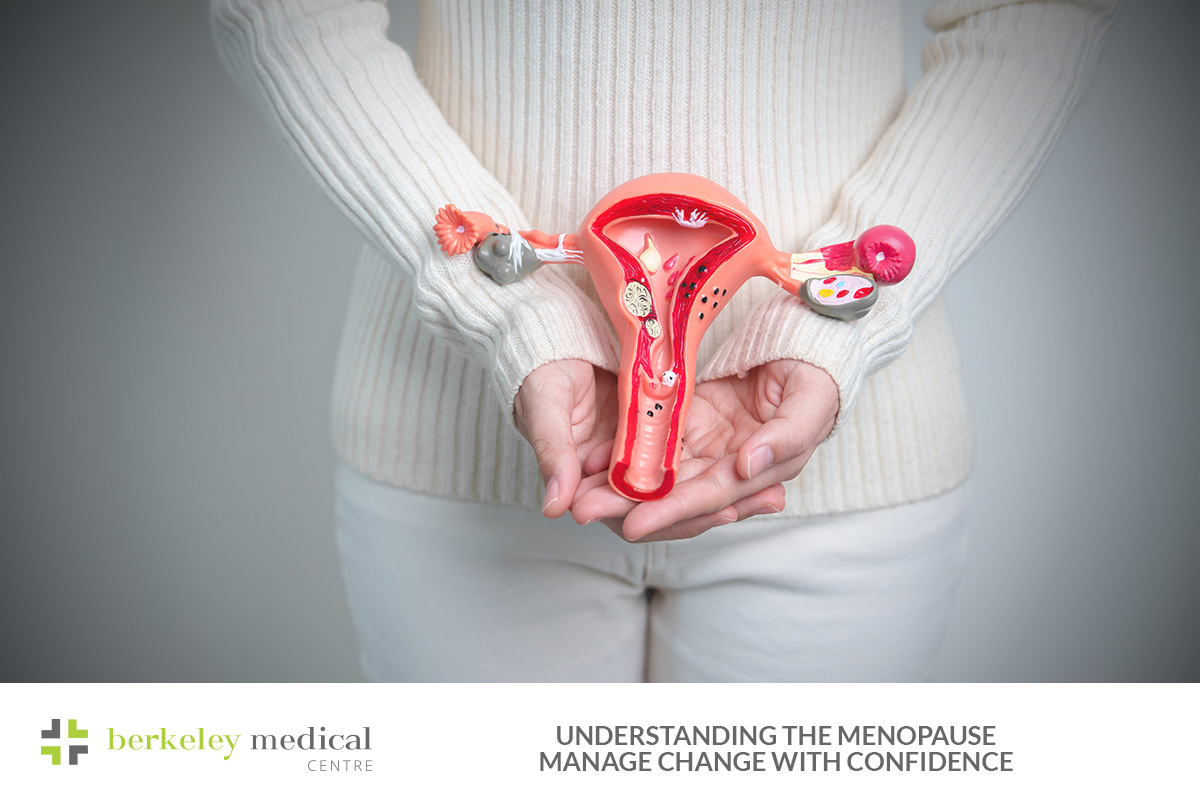
Menopause is a natural and inevitable part of every woman’s life. It signals the end of menstrual cycles and fertility yet, it also marks a new stage of growth, freedom and self-care. While some women experience menopause as a welcome relief, others face physical and emotional changes that can feel challenging.
At Berkeley Medical Centre, we understand that every woman’s menopause journey is unique. By learning what to expect, recognising symptoms early and taking proactive steps, you can manage menopause confidently and maintain your long-term wellbeing.
This article explores how menopause affects your body, how to manage its symptoms, and how your GP can help you navigate this transition smoothly.
What Is Menopause?
Menopause occurs when the ovaries stop producing the hormones oestrogen and progesterone, causing the menstrual cycle to cease. Most women reach menopause between 45 and 55 years of age, but it can occur earlier or later.
The transition begins with peri menopause, a stage when hormone levels start fluctuating. During this time, you may notice irregular periods, heavier or lighter bleeding or skipped cycles. Once you have gone 12 consecutive months without a period, menopause is complete and you enter the post-menopausal phase.
If menopause occurs before age 45, it is considered early menopause; before age 40, it is premature menopause.
Recognising the Signs and Symptoms of Menopause
Every woman experiences menopause differently. Some go through it with few symptoms, while others face noticeable changes. Being aware of what’s normal helps you manage symptoms effectively.
Common Physical Symptoms
- Hot flushes and night sweats
- Vaginal dryness and discomfort
- Irregular or missed periods
- Sleep disturbances and fatigue
- Joint or muscle aches
Common Emotional and Mental Symptoms
- Mood swings and irritability
- Memory lapses or concentration issues
- Low self-esteem and anxiety
- Reduced or changes in desire
Although symptoms can last several years, lifestyle changes and professional guidance can significantly reduce their impact.
How Menopause Affects Your Health
Menopause influences not only reproductive health but also bone, heart and mental health.
When oestrogen levels drop, bone density decreases, making bones more fragile and increasing the risk of osteoporosis. Regular bone density scans, a calcium-rich diet and weight-bearing exercises can help maintain bone strength.
Additionally, lower oestrogen levels may increase the risk of heart disease. Therefore, staying physically active, eating heart-healthy foods and monitoring blood pressure and cholesterol levels become even more important.
Furthermore, even during perimenopause, pregnancy is still possible. If you are sexually active and do not wish to conceive, continue using contraception. Generally, women over 50 should use contraception for one year after their last period and women under 50 should continue for two years.
How to Manage Menopause Effectively
Managing it successfully involves more than just coping with symptoms, it is about supporting your body and mind through healthy lifestyle choices and professional guidance.
Eat a Balanced and Nutritious Diet
What you eat directly affects how your body adapts to hormonal changes. Choose a wide range of nutrient-dense foods to support bone health, energy and hormone balance.
Tips for menopause-friendly eating:
- Include fruits, vegetables, whole grains, legumes and lean proteins (such as chicken, fish or tofu).
- Consume low-fat dairy or fortified alternatives for calcium and vitamin D.
- Drink plenty of water to stay hydrated.
- Limit caffeine and alcohol, as they can worsen hot flushes and disrupt sleep.
A dietician can provide personalised nutrition advice to help you manage symptoms, maintain a healthy weight and feel your best.
Stay Physically Active
Regular exercise strengthens bones, boosts mood and improves sleep. It also helps manage weight and supports cardiovascular health.
Practical activity tips:
- Aim for at least 30 minutes of moderate exercise most days, such as brisk walking, swimming or cycling.
- Add strength training or resistance exercises twice a week to maintain muscle and bone density.
- Try yoga or Pilates to reduce stress and improve flexibility.
Consistency matters more than intensity. Find activities you enjoy to make exercise a sustainable habit.
Prioritise Sleep and Stress Management
Menopause often affects sleep due to night sweats, anxiety or hormonal changes. Poor sleep can worsen fatigue and mood swings.
To improve rest:
- Keep a regular sleep routine and avoid screens before bed.
- Use lightweight bedding and pyjamas to stay cool.
- Reduce caffeine and alcohol, especially in the evening.
- Practise relaxation techniques like deep breathing or mindfulness.
Managing stress also helps balance hormones and maintain mental wellbeing.
Consider Medical and Professional Support
If menopause symptoms affect your daily life, seek advice from your GP. Medical treatments, such as Hormone Replacement Therapy (HRT), can relieve symptoms by restoring hormone balance.
Your GP may also suggest non-hormonal options, supplements or refer you to allied health professionals such as psychologists, dieticians or physiotherapists for holistic care.
A GP-led menopause management plan can help you track symptoms, monitor your health and adjust treatments over time.
Support Your Mental and Emotional Health
Emotional wellbeing plays a major role in how you experience menopause. Stay connected with friends, join support groups, and engage in activities that bring joy and relaxation.
If you experience persistent low mood, anxiety or loss of motivation, speak with a psychologist or counsellor. Emotional support can make a big difference during this transition.
Embracing the Menopause Journey
Menopause is not an ending, it is a new chapter that encourages self-reflection, balance and self-care. By staying informed and supported, you can embrace this stage with strength and confidence.
At Berkeley Medical Centre, our GPs provide personalised care for women navigating menopause. From symptom management to preventive health checks, we are here to help you live a healthy, fulfilling life through every stage. Take this opportunity to focus on your wellbeing and remember, the menopause journey can be empowering with the right knowledge and support.
You can also read:
Cervical Cancer: Why Early Detection & Routine Screening Matter
What Is Prediabetes?
Tips to Change Negative Thinking