





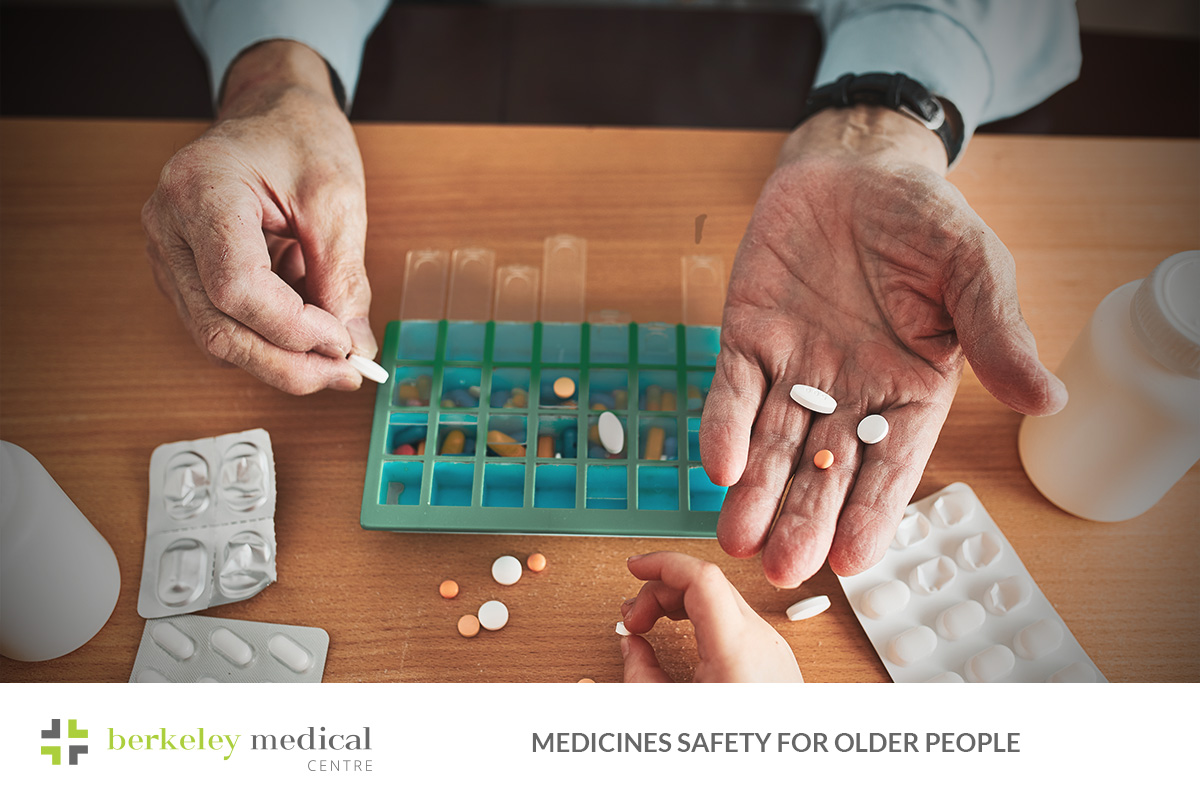
As we age, our health needs often change and so does the way our bodies respond to medicines. Many older Australians take several prescriptions each day to manage ongoing conditions. However, this increases the risk of medicine-related problems, such as unwanted side effects or medicine interactions. Understanding safe medicine use for older adults becomes increasingly important at this stage of life.
At Berkeley Medical Centre, we believe in empowering older adults to take charge of their health. By understanding how ageing affects the body, keeping track of all medicines and staying proactive with regular reviews, you can use medicines safely and confidently. Promoting safe medicine use for older adults helps reduce complications and supports long-term wellbeing.
Why Older Adults Are More Likely to Experience Medicine Problems
As you grow older, your body changes in several important ways. The amount of water, fat and muscle in your body shifts, which alters how your system absorbs and removes medicine. Consequently, medicines may stay in your body longer or cause stronger effects than before. These changes highlight the importance of safe medicine use for older adults.
Because of these changes, you may:
• Become more sensitive to certain medicines
• Experience stronger or more frequent side effects
• Have difficulty clearing medicines from your system
At the same time, you may also face physical challenges that make medicine use harder. Poor eyesight can make it difficult to read labels, arthritis can make opening packets painful and memory loss may cause you to miss doses.
When these factors combine, they can increase your risk of medication errors and adverse reactions. This is why strategies that promote safe medicine use for older adults are essential.
Understanding Polypharmacy
Polypharmacy occurs when you take five or more medicines at the same time. This is common among older adults who manage several chronic health conditions, such as diabetes, arthritis or high blood pressure.
However, the more medicines you take, the greater your chances of:
• Experiencing medicine interactions
• Taking two medicines with similar or overlapping effects
• Missing doses or taking incorrect amounts
To reduce these risks, make sure your GP reviews your medication list regularly. A medicine review helps identify unnecessary or duplicate prescriptions and ensures that each medicine remains appropriate for your health needs.
Recognising Side Effects and Reducing Fall Risks
Some medicines can affect your balance, alertness or coordination, which can increase your risk of falls. These reactions often occur because of anticholinergic side effects, which happen when certain medicines interfere with your body’s chemical balance.
You may notice:
• Dizziness or unsteadiness
• Dry mouth, eyes or skin
• Constipation
• Forgetfulness or confusion
Medicines that may cause these effects include some antidepressants, antihistamines and medications used for Parkinson’s disease. In addition, sleeping pills, pain medications and mood stabilisers may contribute to delirium, a sudden change in thinking or behaviour.
If you notice any of these symptoms, contact your GP or pharmacist immediately. They can review your prescriptions and adjust your treatment plan if necessary.
How to Use Medicines Safely
You can take simple, proactive steps to ensure that your medicines remain effective and safe. These steps support safe medicine use for older adults across various health conditions.
Keep an Up-to-Date Medicines List
Start by keeping a detailed record of all your medicines including prescriptions, over-the-counter products, vitamins and supplements. This list helps your GP and pharmacist understand your complete medication picture.
Include information such as:
• The name and purpose of each medicine
• The correct dosage and timing
• Instructions like “take with food” or “avoid alcohol”
You can write your list on paper, use a smartphone medicines list app or ask your pharmacist to print one for you. Sharing this list with every healthcare provider ensures everyone is on the same page.
Ask Questions About Every Medicine
Before starting a new medicine, always ask your GP or pharmacist questions such as:
• Why do I need this medicine?
• What are the possible side effects?
• Can it interact with my other medicines?
• How long should I take it for?
• What should I do if I miss a dose?
By asking these questions, you can make informed decisions and avoid unnecessary medicines.
Schedule Regular Medicine Reviews
If you take multiple prescriptions, request a Home Medicines Review (HMR). During this service, a pharmacist visits your home, reviews all your medicines and discusses any issues with you.
Afterwards, your GP uses the review results to create a medication management plan tailored to your needs. You’ll need a GP referral, but the service is free for eligible patients and can help prevent medication errors and side effects.
How to Organise Your Medicines
Staying organised makes managing medicines much easier. Here are some practical options:
• Use a weekly dosing aid (pillbox) to sort medicines by day and time.
• Ask your pharmacist to prepare a blister pack if you find managing tablets challenging.
• Label medicines clearly and store them in a safe, cool and dry place.
By keeping your medicines organised, you reduce confusion and improve your safety.
Advice for Carers
If you care for an older person, pay close attention to signs of medicine-related issues. Symptoms such as confusion, dizziness or forgetfulness may indicate side effects or interactions.
Always discuss your concerns with their GP or pharmacist before making any changes. Never stop or adjust medicines without medical advice.
Keeping an updated medicines list and using pharmacy packs can make medication management simpler and safer for both carers and patients.
Additional Tips for Safe Medicine Use
To enhance your safety and wellbeing, remember to:
• Follow dosage instructions exactly as prescribed.
• Avoid mixing prescription and over-the-counter medicines unless advised by your GP.
• Dispose of expired medicines safely through your local pharmacy.
• Limit alcohol intake, which can affect medicine effectiveness.
• Use reminders, such as alarms or pill organisers, to stay consistent.
These steps will help you stay organised and reduce medication-related complications.
Conclusion
Medicines play an important role in managing health conditions, but they must be used with care especially as we age. By keeping track of what you take, asking questions and reviewing your medicines regularly, you can stay safe and in control. Encouraging safe medicine use for older adults supports better health outcomes and reduces preventable risks.
At Berkeley Medical Centre, our GPs are here to support older adults and their carers in making informed decisions about medicine use. We encourage you to stay proactive, communicate openly with your healthcare team and take simple steps to prevent medication problems before they arise.
Also Read: