





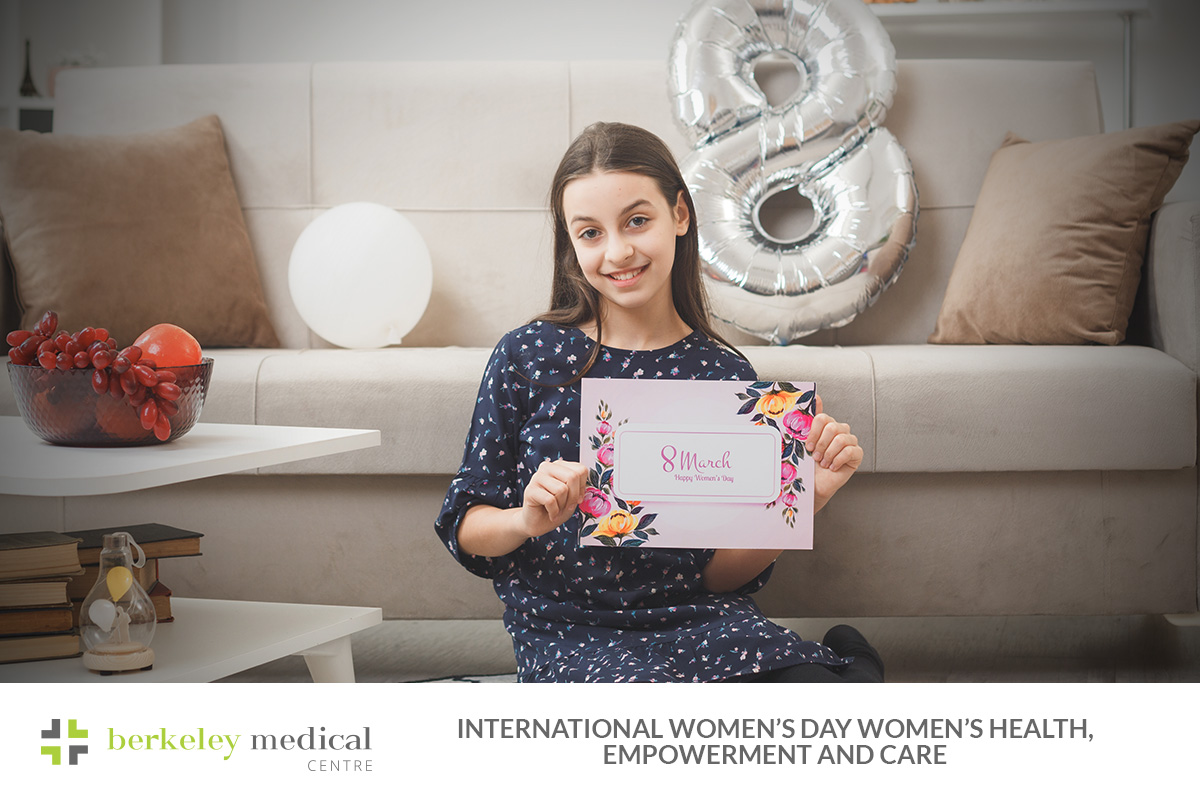
International Women’s Day, observed each year on 8 March, recognises the social, cultural and economic contributions of women. In healthcare, it also draws attention to women’s health, empowerment and access to primary care services across Australia.
As women move through different stages of life, their health needs continue to change. For this reason, access to consistent primary healthcare plays an important role in supporting physical health, mental wellbeing and informed decision-making.
Why Women’s Health and Empowerment Matter
Women’s health extends beyond treating illness. It includes prevention, education and access to appropriate healthcare services. However, many women balance work, family and caregiving responsibilities, which can lead to health concerns being delayed.
International Women’s Day highlights the importance of empowering women to prioritise their health. When women engage with primary healthcare early and regularly, they are better supported to understand their health needs and make informed choices.
Women’s Health Needs Across Life Stages
Adolescence and Early Adulthood
Firstly, early engagement with primary healthcare supports health literacy and confidence. During adolescence and early adulthood, healthcare may focus on menstrual health, immunisations, mental health support, sexual health education and preventative care.
Establishing regular GP care at this stage supports long-term wellbeing.
Adulthood and Family Life
As women progress into adulthood, health priorities naturally evolve. Reproductive health, family planning, pregnancy-related care, mental wellbeing and lifestyle balance often become key areas of focus.
Consequently, routine GP visits support continuity of care and early identification of potential health concerns.
Menopause and Healthy Ageing
Later in life, menopause represents a natural transition that may involve physical and emotional changes. Primary healthcare during this stage supports awareness of hormonal health, bone health, cardiovascular risk and overall wellbeing.
Ongoing care helps women navigate this stage with informed health guidance.
The Role of General Practice in Women’s Healthcare
General practice provides a consistent point of care throughout a woman’s life. Rather than addressing health concerns in isolation, GP clinics support long-term health planning and prevention.
Through routine health assessments, preventative screenings and access to allied health services when appropriate, primary care takes a holistic approach to women’s health and wellbeing.
Mental Health and Emotional Wellbeing for Women
Mental health plays a vital role in overall wellbeing. Women may experience changes in emotional health due to life transitions, hormonal changes or external pressures.
Primary healthcare supports mental wellbeing through assessment, discussion and access to appropriate support services. Early engagement helps maintain ongoing mental health and emotional balance.
Preventative Healthcare and Health Awareness
Preventative healthcare supports women in maintaining good health and identifying potential concerns early. This may include routine screenings, health education and discussion around nutrition, physical activity, sleep and stress management.
International Women’s Day reinforces the importance of staying informed and proactive about health at every stage of life.
Respecting Choice and Individual Health Needs
Every woman’s health journey is different. For this reason, healthcare should respect individual experiences, values and preferences.
When women receive clear information and supportive primary care, they can make choices that align with their personal circumstances and wellbeing goals.
How Berkeley Medical Centre Supports Women’s Health
Berkeley Medical Centre provides a range of primary healthcare services to support women across different life stages. Care is delivered in a respectful and inclusive environment, with a focus on continuity and individual needs.
Women’s health services may include:
- Routine GP health assessments and well-woman checks
- Cervical screening
- Family planning and contraception guidance
- Prenatal and postnatal care
- Menopause support and healthy ageing care
- Mental health assessment and care planning
- Access to allied health and additional services where appropriate
The focus remains on health awareness, informed care and long-term wellbeing.
Conclusion
In conclusion, International Women’s Day highlights the importance of women’s health, empowerment and access to primary healthcare in Australia. Through regular GP care, preventative health services and informed decision-making, women can better navigate health changes throughout life. By supporting awareness, respect and continuity of care, primary healthcare continues to play an important role in strengthening the health of women, families and the wider community.