




If you have ever felt palpitations, chest discomfort, shortness of breath, dizziness or unexplained fatigue, your GP may discuss whether an ECG is appropriate as part of your assessment. ECG testing, also called an electrocardiogram, is one of the most common heart checks in general practice. It is quick, painless, and useful for spotting patterns in the heart’s electrical activity. For patients in Brisbane’s western suburbs, understanding ECG testing can make it easier to seek care early and ask the right questions during a GP appointment.
What we will talk about
This article explains what ECG testing is, what it can and cannot show, when your GP may recommend it, and what happens during the test. It also outlines how Berkeley Medical Centre’s GP and preventive health services can support ongoing care in Kenmore and greater Brisbane.
Berkeley Medical Centre is a family GP clinic in Kenmore, Brisbane, with a focus on preventive health, general health check-ups, chronic disease management, family medicine, mental health support, allied health services and access to visiting specialists including psychiatry, endocrinology and general surgery.
What is ECG testing?
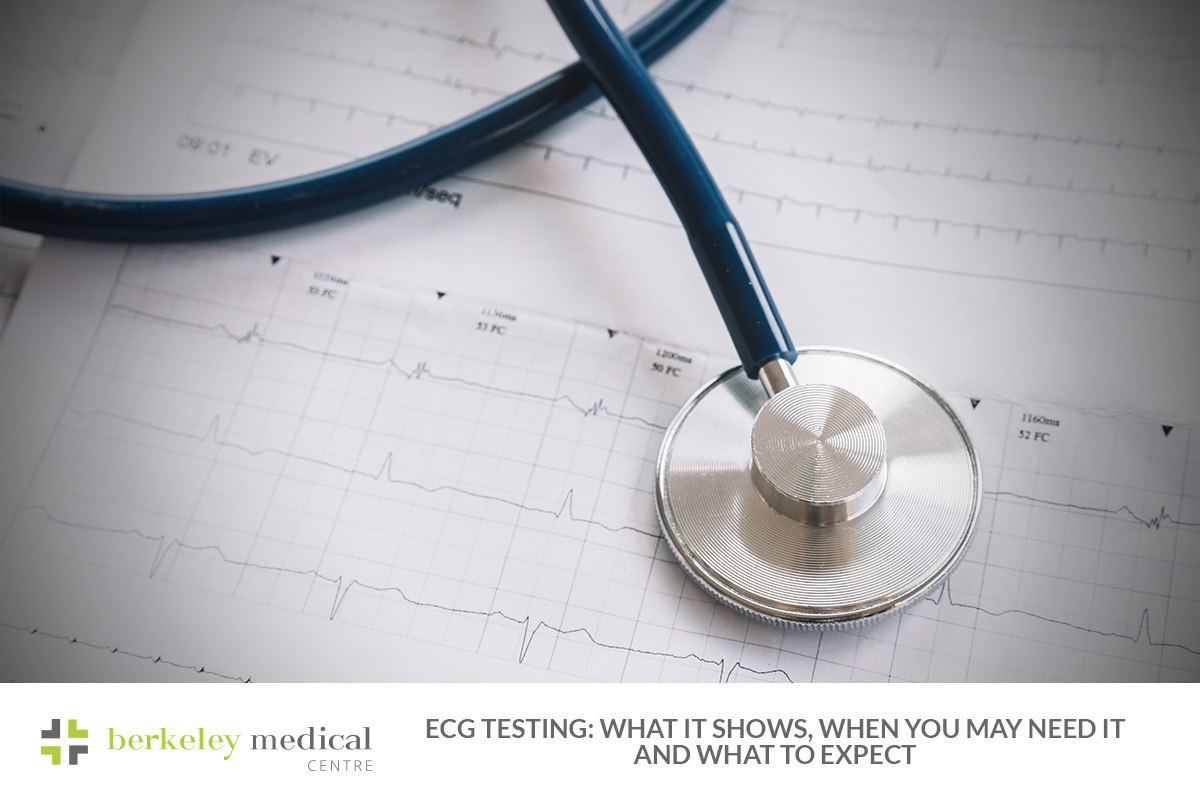
An ECG records the electrical signals that control your heartbeat. Your GP or nurse places small sensors on your skin, usually on your chest, arms, and legs. These sensors pick up the timing and strength of the electrical impulses moving through your heart. The machine then produces a tracing that your doctor can interpret.
An ECG does not involve needles and usually takes only a few minutes. GPs often use it as an early test when a patient has possible cardiac symptoms. General practices and hospitals rely on ECGs because they provide immediate information and help guide the next steps.
What can an ECG show?
An ECG can help identify a range of concerns, including:
- Irregular heart rhythms such as atrial fibrillation
- A heartbeat that is too fast or too slow
- Signs that may suggest strain on the heart
- Changes linked to reduced blood flow to the heart
- Clues that suggest the need for further heart investigations
It is important to know that an ECG is one part of the clinical picture. A normal ECG does not automatically rule out every heart problem, and an abnormal ECG does not always mean there is a serious condition. Your GP will also consider your symptoms, medical history, blood pressure, medications, risk factors, and any further tests you may need.
When might your GP recommend an ECG?
Your GP may consider ECG testing if you have symptoms that could be related to the heart, especially if they are new, recurring or worsening. Common reasons include chest pain, palpitations, fainting, dizziness, breathlessness, reduced exercise tolerance or unexplained fatigue.
Your GP may also suggest an ECG if you have cardiovascular risk factors such as high blood pressure, diabetes, high cholesterol, a smoking history, or a family history of heart disease. It can also help before certain treatments, during chronic disease reviews, or as part of a broader health assessment.
This is where continuity of care matters. Berkeley Medical Centre highlights preventive healthcare, routine health check-ups and chronic disease management as core services. That makes a GP review especially valuable for patients who want to assess their heart health in the context of their overall wellbeing rather than focusing on one symptom in isolation.
What happens during an ECG appointment?
For most patients, ECG testing is straightforward.
First, your GP or nurse will explain the test and ask you to lie down comfortably. Small adhesive electrodes are placed on your chest and limbs. These are connected to the ECG machine, which records your heart’s electrical activity over a short period. The test itself is painless. You simply need to stay still and breathe normally while the recording is taken.
After the test, your doctor reviews the tracing and explains the result. They may compare it with earlier results, arrange another appointment, recommend further monitoring, or refer you for more assessment.
Because ECG testing is quick, it suits general practice when symptoms need prompt review but do not require emergency department care. However, severe chest pain, collapse, sudden weakness, or other emergency symptoms need urgent attention. Call 000 straight away in those situations.
How should you prepare for an ECG?
Usually, very little preparation is needed. Wear comfortable clothing and let your GP know about any current medications, recent symptoms and past heart history. Try not to apply heavy lotions or oils to the chest before the appointment, as these can sometimes affect electrode adhesion.
Most importantly, be ready to describe your symptoms clearly. Tell your GP when they started, how long they last, what they feel like, and whether they happen during rest, stress or exercise. Your doctor decides on how useful is an ECG and whether other investigations are also required with this context.
What an ECG cannot do on its own
One of the most helpful things for patients to understand is that an ECG is a useful tool, but it is not a complete answer on its own. Some heart conditions come and go, which means they may not appear during a brief in-clinic ECG. In other cases, your doctor may need blood tests, blood pressure review, a Holter monitor, imaging, or specialist input to understand the full picture.
That is why the best ECG testing experience is not just about the machine. It is about careful GP assessment, follow-up and a management plan tailored to your symptoms and risk profile.
Why ECG testing matters in preventive healthcare
Many people think of heart checks only after symptoms become obvious. In reality, preventive care can play an important role in identifying risk factors earlier. Blood pressure, cholesterol, diabetes risk, weight, activity levels, smoking status and family history all contribute to cardiovascular health.
Berkeley Medical Centre places strong emphasis on preventive health and personalised healthcare. The clinic also supports general health check-ups and chronic disease management. For patients in Kenmore and nearby Brisbane suburbs, this whole-person approach matters because heart health rarely exists in isolation. It often overlaps with stress, sleep, diabetes, endocrine issues, lifestyle factors, and long-term health goals.
How Berkeley Medical Centre can support patients in Kenmore and Brisbane
Berkeley Medical Centre operates from Kenmore Plaza on Moggill Road. The medical centre describes itself as a family GP clinic serving Kenmore and greater Brisbane. The medical centre offers general medicine, chronic disease management, mental health care, family medicine, preventive healthcare, allied health services, and access to visiting specialists. Its team includes multiple GPs, a registered nurse, and specialist-connected care in psychiatry, endocrinology, and general surgery. The plaza also includes a pharmacy, and the clinic notes nearby pathology and allied health access on its website.
For patients with symptoms that may warrant ECG testing, that broader service mix matters. A GP can assess whether your symptoms are more likely to relate to the heart, anxiety, medication effects, chronic disease, respiratory issues, or another cause. Your care may then include monitoring, lifestyle advice, ongoing reviews, mental health support, chronic disease care planning, or referral when needed.
When to book a GP review
Book a GP appointment if you have ongoing palpitations, unexplained dizziness, reduced exercise capacity, shortness of breath, or recurring chest discomfort that is not severe or sudden. You should also book a review if you have a strong family history of heart disease or want to discuss cardiovascular risk during a general health check.
Early assessment often leads to clearer answers and greater peace of mind. Even when an ECG turns out to be normal, the consultation can still identify other health issues worth addressing.
Conclusion
If you want a Brisbane GP clinic that supports preventive health, chronic disease management, family medicine, and coordinated care, Berkeley Medical Centre in Kenmore offers a broad range of services. The clinic can help place heart concerns in the context of your overall health. If you are wondering whether ECG testing should form part of your assessment, a conversation with your GP is the best place to start.
Also Read: